

Blog › Dry mouth
Menopause and Your Mouth: Dry Mouth, Burning Tongue, Gum Changes and What Helps
Falling estrogen changes your saliva, your gums and the lining of your mouth. Here is why it happens, what helps, and when to get checked.

I review every prescription order myself — same judgement I'd use with you in the chair.Dr. Azar Sona Saeidi, DMDPracticing dentist · Soothing Dental, San Francisco
Find what helps your mouth symptoms
Two questions · about 20 seconds
What are you noticing?
Tap all that apply — each symptom needs a different fix
What matters most to you?
Tap any that apply or skip
Opens store.soothing.dental — our online store, same practice. A licensed dentist reviews the order before it ships.
The short version
- Falling estrogen changes your mouth. Estrogen supports saliva, the lining of the mouth and the gums, so many women notice changes around perimenopause and menopause.
- The common ones: dry mouth, a burning tongue, gums that bleed more easily, a metallic taste, more sensitive teeth and new cavities.
- What helps most: sip water, use xylitol gum or lozenges, switch to a high-fluoride toothpaste, and skip alcohol mouthwash.
- Burning mouth needs a diagnosis before any treatment, because other causes have to be ruled out first.
- Get checked for burning that won’t go away, gums that bleed regularly, loose teeth or sores that don’t heal.
Menopause dry mouth, a burning tongue, gums that bleed more easily, foods that suddenly taste different: many women notice new mouth symptoms around perimenopause or menopause and assume it’s just aging, or something they have to live with. It often isn’t. Below I explain why the mouth changes at this stage, what each symptom feels like, what actually helps, and when to see a dentist in person.
Why menopause affects your mouth
Estrogen receptors exist in the lining of the mouth, in the salivary glands, and in the tissues that support your teeth. Estrogen helps keep the lining of the mouth healthy, supports how the salivary glands work, calms inflammation, and influences bone density, including the jawbone that holds your teeth. When estrogen drops, those tissues change.
Lower estrogen can reduce how much saliva you make or change what it’s made of, thin the tissues in your mouth, make your gums react more strongly to plaque, and speed up loss of the bone around your teeth. Medications commonly used around menopause, such as certain antidepressants and blood pressure drugs, can add to the dryness. Our list of medications that cause dry mouth covers the common ones. The result is a mouth that is more vulnerable to cavities, gum disease, fungal overgrowth and discomfort.
Research consistently shows higher rates of these problems in women during and after menopause. One review that pooled earlier studies found gum (periodontal) problems in up to 60% of women in this stage, dry mouth in about 25%, and burning mouth in about 15%. Another study found mouth discomfort in 43% of peri- and postmenopausal women, compared with 6% of women before menopause. Not every woman has these symptoms, and severity varies, but the connection is well documented.
Menopause dry mouth
Dry mouth (doctors call it xerostomia) is the change women ask me about most. It feels sticky or dry, often worst at night or first thing in the morning, and dry foods get harder to swallow. It also raises your risk of cavities and bad breath. Saliva protects your teeth by neutralizing acid and washing away food, so less saliva means less protection.
What helps:
- Sip water through the day, and keep a glass by the bed.
- Stimulate saliva with sugar-free gum or lozenges that contain xylitol.
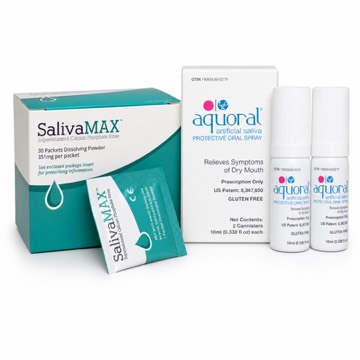
- Coat and protect. Saliva substitutes and moisturizing rinses give temporary relief. When water isn’t enough, I use Aquoral, a prescription spray that coats the mouth, and SalivaMAX, a calcium phosphate rinse that also helps protect enamel. We sell them together as the Dry Mouth Relief Duo.
- Switch to a high-fluoride toothpaste. A prescription-strength 5,000 ppm paste, if your dentist recommends it, protects teeth when saliva can’t. An SLS-free one such as PreviDent 5000 Dry Mouth, SLS-free is gentler on a dry mouth.
- Skip alcohol-based mouthwashes. They can make dryness worse.
What I suggest for menopause dry mouth
Dry Mouth Relief Duo
The Aquoral spray and SalivaMAX rinse together, to coat a dry mouth and help protect enamel. The pairing I start with for dryness that won’t quit.
$95
RX · DENTIST-REVIEWEDOrder in our store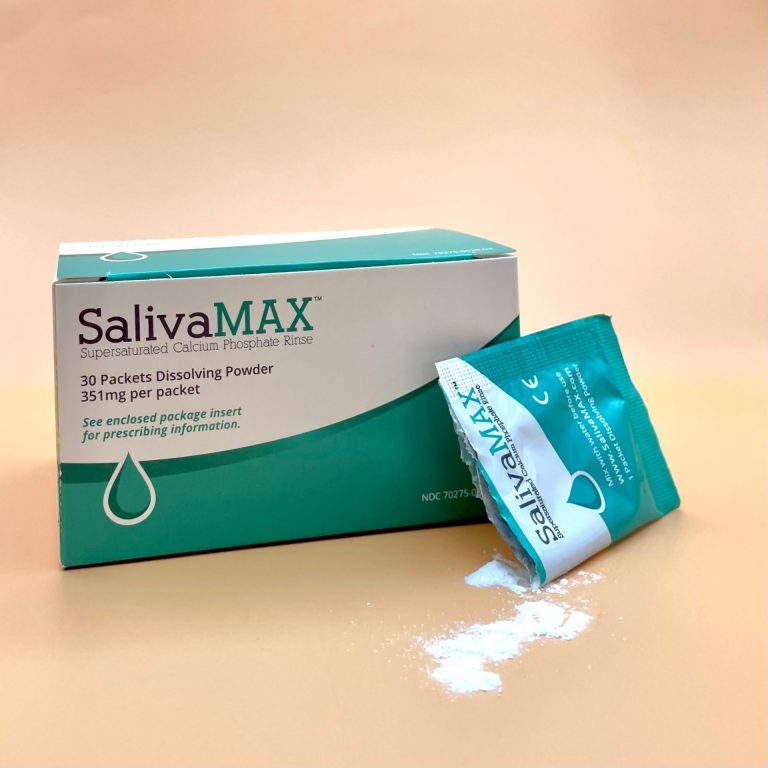
SalivaMAX
A calcium phosphate rinse that moistens a dry mouth and helps protect enamel. The best value of the dry mouth products.
$30
RX · DENTIST-REVIEWEDOrder in our store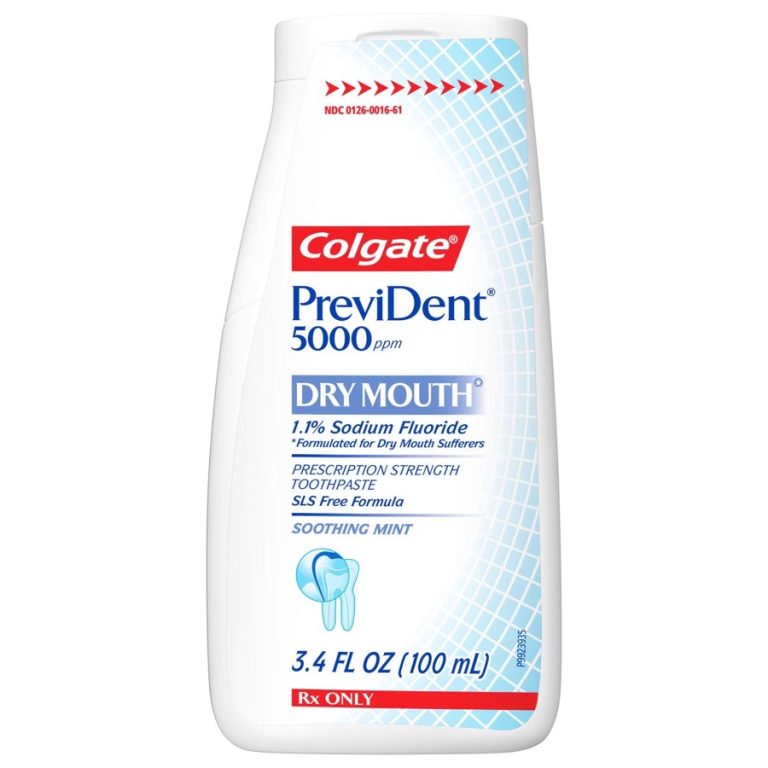
PreviDent 5000 Dry Mouth, SLS-free
Prescription-strength fluoride toothpaste without SLS, gentler on a dry or irritated mouth.
$30
RX · DENTIST-REVIEWEDOrder in our storeSalivaMAX vs Biotene vs Xerostom compares the common dry mouth rinses, and our dentist’s guide to dry mouth covers the other causes.
Burning mouth and menopause
Burning mouth syndrome is a persistent burning, tingling or scalded feeling, often on the tongue (especially the tip), the lips or the roof of the mouth, usually with nothing visible to explain it. It can come with a changed taste, metallic or bitter, and it is more common in women, especially around and after menopause.
Burning mouth syndrome is diagnosed by ruling out other causes first, such as thrush (candidiasis), low vitamins or minerals, allergies and medications. So I don’t suggest a product for it. Please have it checked by a dentist or physician.
While symptoms are active, avoid very spicy, acidic or hot foods, and alcohol-based products such as many mouthwashes. They tend to make the burning worse.
Menopause and your gums: bleeding, tenderness and gum disease
Many women notice gums that bleed or feel tender even though their brushing habits haven’t changed. Some notice their gums receding, or a dentist finds faster loss of the attachment that holds the teeth. Lower estrogen is linked to a stronger inflammatory response to plaque, so the same amount of plaque can cause more trouble than it used to.
- Clean gently but thoroughly. Brush twice a day with a soft brush and fluoride toothpaste, and floss or clean between your teeth every day.
- Use an alcohol-free rinse. For gums that are only a little irritated, I suggest CloSYS Sensitive, a gentle, alcohol-free daily rinse. If a dentist has diagnosed gum disease, OraCare is the stronger rinse I use.
- Get cleanings more often if your gums are inflamed. More frequent professional cleanings are often useful during this stage.
Gums, dryness, sensitive teeth? Tap what you’re noticing and get the products Dr. Saeidi suggests.
Find my matchMetallic taste in perimenopause
Food may suddenly taste metallic, bitter or just “off.” Taste changes often come together with dry mouth or burning mouth, and medications and supplements can cause them too. A changed taste on its own isn’t something a product fixes. If it comes with dryness, treating the dryness often helps. If it doesn’t settle, mention it to your dentist or physician.
Menopause teeth: sensitivity, pain and cavities
Teeth can become more sensitive to cold, sweets or brushing, and cavities become more likely once there is less saliva to protect them. Receding gums also expose the softer root surfaces, which are both more sensitive and more prone to decay.
- For sensitive teeth: MI Paste Plus is a tooth cream with fluoride that helps protect enamel and ease sensitivity. It is made with milk proteins, so it isn’t for anyone with a milk protein allergy. A sensitivity toothpaste with potassium nitrate, such as PreviDent 5000 Sensitive, is another option.
- For cavities: one 5,000 ppm prescription toothpaste, not two. If your mouth is also dry, CariFree Pro Gel 5000 has a higher pH that helps when saliva isn’t neutralizing acid.
For sensitive teeth and new cavities
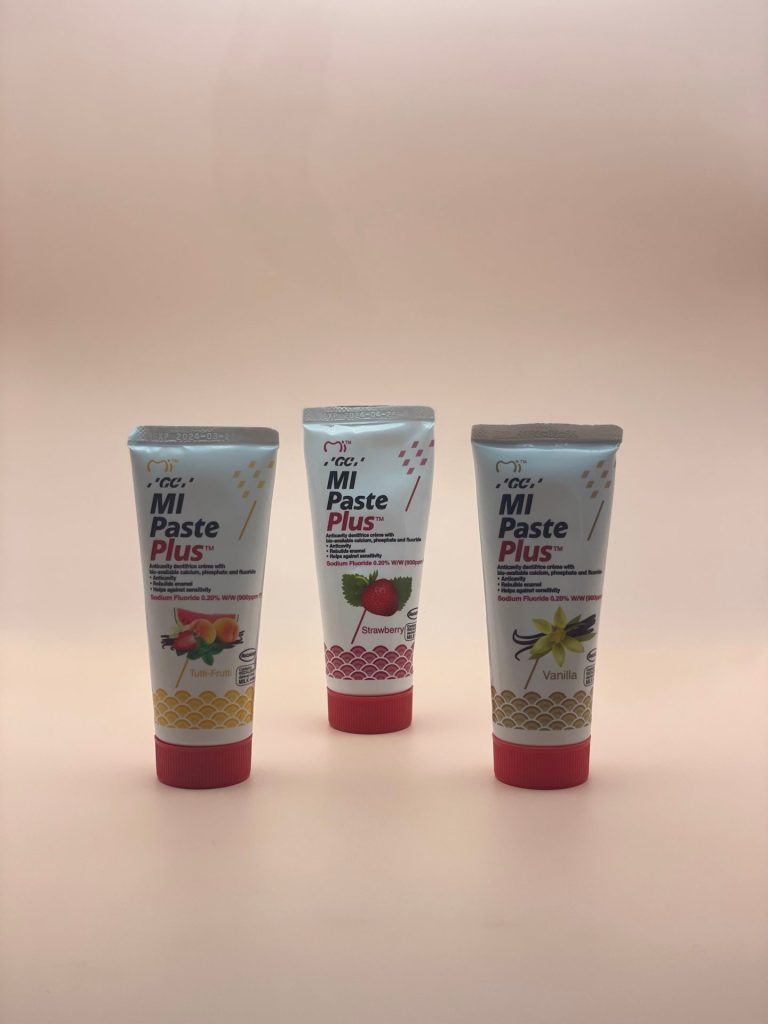
MI Paste Plus
A tooth cream with fluoride and milk proteins that helps protect enamel and ease sensitivity. Rub it on and leave it for 3 minutes. Not for anyone with a milk protein allergy.
From $25
RX · DENTIST-REVIEWEDOrder in our store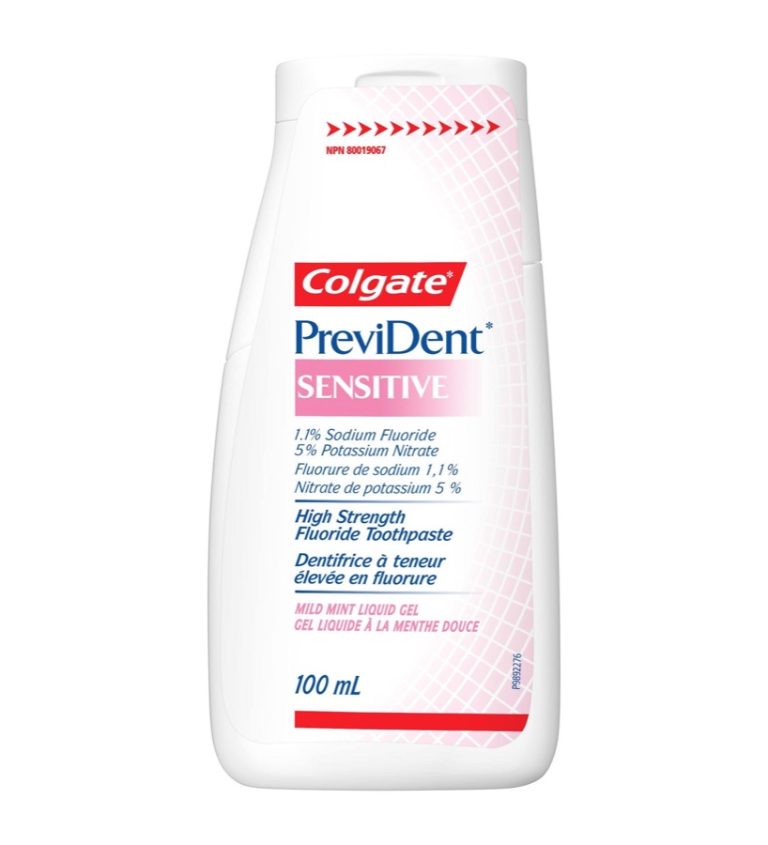
PreviDent 5000 Sensitive
Prescription-strength fluoride toothpaste with potassium nitrate to ease sensitive teeth.
$30
RX · DENTIST-REVIEWEDOrder in our store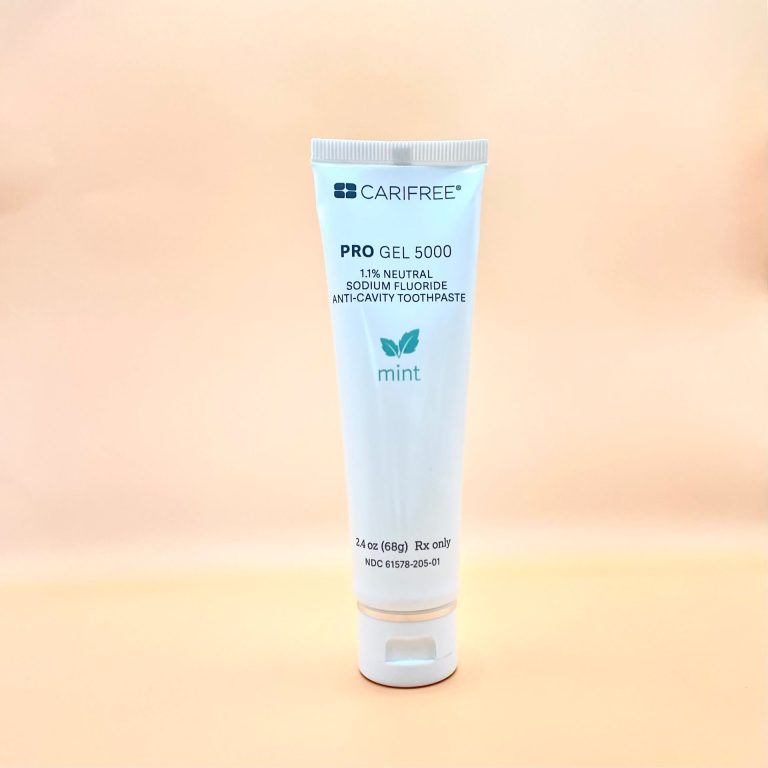
CariFree Pro Gel 5000
Prescription-strength fluoride toothpaste with a higher pH and nano-hydroxyapatite, for a dry mouth or new cavities.
$30
RX · DENTIST-REVIEWEDOrder in our storeA tooth that suddenly hurts should be checked, because it may be a cavity or a crack rather than sensitivity. More on causes and fixes: tooth sensitivity and how to get prescription toothpaste online.
Mouth sores, thrush and other changes
A thinner, more fragile lining is more easily irritated, and it is more prone to thrush (candidiasis), a yeast overgrowth that can look like white patches or cause soreness. Changes in the density of the jawbone can also affect how stable teeth are over time, and how dental implants do. These changes are slow and quiet, which is one more reason to keep up with regular exams.
Stress can play a part too. Our article on stress and oral health explains how stress hormones affect saliva and gums.
Practical steps that help
- Prioritize saliva and fluoride. Stay well hydrated. Use sugar-free gum or lozenges with xylitol to stimulate saliva. Switch to a high-fluoride toothpaste (prescription-strength 5,000 ppm if recommended) and avoid alcohol-based mouthwashes, which can worsen dryness. Saliva substitutes or moisturizing rinses can provide temporary relief.
- Tighten your oral hygiene without irritation. Brush twice a day with a soft brush and fluoride toothpaste, and floss or clean between your teeth daily. If your gums are inflamed, more frequent professional cleanings are often useful. For burning, avoid very spicy, acidic or hot foods and alcohol-based products while symptoms are active.
- Address what else is contributing. Review all your medications with your physician and dentist. Manage any other conditions, such as diabetes or Sjögren’s (see our Sjögren’s care routine). Some women find relief from broader menopause care, including hormone therapy when appropriate, that improves related symptoms. That is a conversation for your medical provider.
- See a dentist who understands the connection. Tell your dental team when menopause started, what you’re noticing, and whether you take hormone therapy. Early detection of cavities, gum changes or thrush makes a difference. Regular exams and tailored preventive care, such as fluoride varnish and more frequent visits, are especially valuable at this stage. In San Francisco? Book a visit at our Union Square office.
When to see a dentist in person
- Burning in your mouth that doesn’t go away
- Dryness that makes it hard to eat, swallow or speak
- Gums that bleed regularly
- Loose teeth
- New sores, or white or red patches, that haven’t healed in two weeks
- A tooth that suddenly hurts
These changes are common, but they are manageable. Good daily habits plus targeted dental care protect your teeth and your comfort through the transition and after it. If you’re noticing menopause-related mouth symptoms, a conversation with your dentist is a practical next step. Many of these problems respond well once they’re identified.
Not sure where to start? Tap what you’re noticing and see the products Dr. Saeidi suggests.
Find my matchQuestions people ask
Can perimenopause cause dry mouth?
Yes. The salivary glands have estrogen receptors, and as estrogen falls during perimenopause and menopause, many women make less saliva or notice it feels different. Medications common at this stage can add to the dryness. Dry mouth has other causes too, such as Sjögren’s syndrome and diabetes, so dryness that lasts is worth mentioning to your dentist or physician.
Can menopause make your teeth hurt?
It can contribute. With less saliva, teeth are more prone to cavities and sensitivity, and receding gums expose the more sensitive root surfaces. A tooth that suddenly hurts should still be checked by a dentist, because it may be a cavity or a crack.
Can menopause cause bleeding gums?
Lower estrogen is linked to a stronger inflammatory response to plaque, so gums can bleed or feel tender more easily even if your brushing hasn’t changed. Gentle, thorough cleaning helps, and inflamed gums often benefit from more frequent professional cleanings. Gums that bleed regularly should be checked.
Why do I have a metallic taste in my mouth during perimenopause?
Taste changes, including a metallic or bitter taste, are reported around menopause and often come together with dry mouth or burning mouth. Medications and supplements can also cause them. If a changed taste doesn’t settle, mention it to your dentist or physician.
Does hormone therapy help menopause mouth symptoms?
Some women find that broader menopause care, including hormone therapy when appropriate, improves related symptoms. Whether it is right for you is a conversation for your medical provider. Tell your dentist if you take hormone therapy.
What toothpaste is best for menopause dry mouth?
A high-fluoride toothpaste protects teeth when saliva can’t. If your dentist recommends it, a prescription-strength 5,000 ppm toothpaste gives the most protection, and an SLS-free version is gentler on a dry or irritated mouth. Avoid alcohol-based mouthwashes, which can make dryness worse.
Sources
- Dutt et al., Annals of Medical and Health Sciences Research (2013): Oral health and menopause, a comprehensive review
- Suri & Suri, Journal of Mid-Life Health (2014): Menopause and oral health
- Journal of Mid-Life Health (2024): Menopause and oral health, clinical implications and preventive strategies
- NIDCR (National Institutes of Health): Burning mouth
- NIDCR (National Institutes of Health): Dry mouth
- ADA MouthHealthy: Dry mouth
About Dr. Azar Sona Saeidi, DMD
Cofounder of Soothing Dental in San Francisco's Financial District. DMD magna cum laude, Boston University Goldman School of Dental Medicine. Practicing in California since 2011 (license #60566). Member of the American Dental Association, California Dental Association, and San Francisco Dental Society.

This page is educational and is not a diagnosis. Products sold through Soothing Dental may require a prescription; eligibility is confirmed through a brief telehealth screen at checkout.