
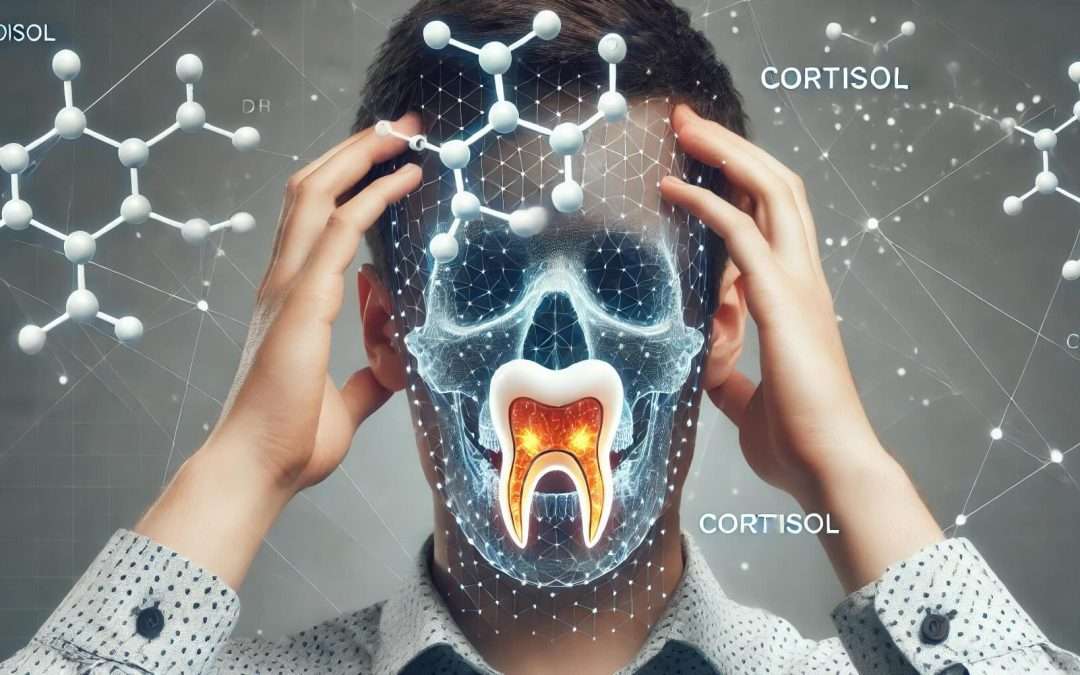
Stress and Oral Health: The Cortisol Link
by Dr. Sona Saeidi, DMD | Nov 11, 2024 | Appointment, Dental Health Tips and Information, Modern Dentistry
The connection between stress and oral health runs deeper than most patients realize. When life feels overwhelming, your body releases a flood of cortisol. This steroid hormone quietly rewires your immune response, your saliva flow, and even how tightly you clench your jaw at night. Over weeks and months, those subtle shifts show up in your mouth as bleeding gums, worn enamel, and stubborn ulcers that refuse to heal.
At Soothing Dental, we routinely see professionals, founders, and parents whose dental issues mirror the demands of their schedules. As a result, we treat the mouth as a window into systemic wellbeing. This guide explains exactly how chronic stress damages teeth and gums, what the research shows, and which practical steps actually move the needle.
How Cortisol Travels From Brain to Mouth
Cortisol is your body's main stress hormone, produced by the adrenal glands that sit above your kidneys. Under short bursts of pressure, it sharpens focus, mobilizes glucose, and prepares muscles for action. However, when stress becomes chronic, cortisol stays elevated for hours or days at a time, and the body begins to pay a price.
Saliva mirrors what circulates in your blood. Researchers can measure cortisol directly from a saliva sample, which is why dentists sometimes spot the consequences of stress before a primary care doctor does. Specifically, high salivary cortisol weakens the gum tissue's ability to fight bacteria. It also narrows blood vessels in the periodontal ligament and slows wound healing throughout the oral cavity.
Moreover, cortisol suppresses the production of secretory IgA, an antibody that defends the mouth against decay-causing microbes. It also tilts the balance of pro-inflammatory cytokines, including interleukin-6 and tumor necrosis factor alpha. As a result, plaque sits longer, gums swell easier, and cavities form despite seemingly normal hygiene.
In addition, cortisol disrupts the gut microbiome, which seeds the oral microbiome through swallowing and reflux. Therefore, what starts as a stress response in the brain can shift the entire ecosystem inside your mouth within weeks.
Why Stress and Oral Health Are Tightly Linked
The mouth is one of the most immune-active regions of the body. In addition, it hosts roughly 700 species of bacteria that live in delicate balance. As a result, anything that suppresses immunity, dries the tissues, or changes blood flow shows up quickly between the teeth and along the gumline.
Chronic stress affects oral health through four main pathways. First, it weakens immune defenses. Second, it reduces saliva. Third, it triggers unconscious habits like grinding. If stress has you clenching or grinding, our teeth grinding treatment in San Francisco can help. Finally, it leads to lifestyle slips, such as skipping flossing, drinking more coffee, or smoking. Each pathway compounds the others.
The Specific Oral Effects of High Cortisol
Gum Disease and Periodontitis
Elevated cortisol blunts the immune cells that patrol your gum tissue. Consequently, plaque bacteria penetrate deeper, and inflammation lingers longer. Gingivitis, the early stage, presents as red, puffy gums that bleed when you brush.
If gingivitis is ignored, it progresses to periodontitis. Bone around the tooth erodes, pockets form, and teeth eventually loosen. Stressed patients often need deep cleaning and follow-up therapy to halt the damage.
Dry Mouth (Xerostomia)
Cortisol reduces salivary gland output, leaving the mouth parched. Saliva normally rinses away food, neutralizes acid, and delivers calcium back to enamel. Without it, decay accelerates, breath sours, and soft tissues feel sticky or sore.
In addition, many anti-anxiety medications and antidepressants compound the dryness. Therefore, patients managing stress often deal with two drying forces at once.
Bruxism and Jaw Clenching
Stress is the leading trigger of bruxism, the medical term for grinding or clenching teeth. Most people grind at night without realizing it. Over time, the pressure flattens cusps, cracks fillings, and chips front teeth.
Furthermore, chronic clenching produces a tense, tired jaw on waking and dull headaches that radiate up the temples. A custom nightguard absorbs that force and protects enamel while you address the underlying stress.
TMJ Disorders
The temporomandibular joints connect your lower jaw to your skull, just in front of each ear. When clenching becomes constant, these joints inflame and click. Symptoms include locking, popping, ear pain, and a chewing motion that feels off-track.
TMJ pain often arrives alongside neck and shoulder tension. As a result, treatment typically combines occlusal therapy with posture work and stress reduction.
Canker Sores and Cold Sores
Recurrent canker sores frequently flare during exam weeks, deadlines, and major life events. The mechanism is immune-related. Cortisol shifts the balance of cytokines that police oral tissue, and small breaks in the lining take longer to close. Cold sores caused by herpes simplex virus also reactivate when immunity dips. They often appear on the lips within a day or two of a major stressor.
In addition, stress-related lichen planus and burning mouth syndrome both worsen during high-cortisol stretches. Patients describe a painful, raw sensation along the cheeks or tongue that improves once stress eases.
Delayed Healing After Dental Work
Patients with elevated cortisol heal more slowly after extractions, implants, or gum grafts. Specifically, blood vessels constrict, collagen production drops, and tissue repair stalls. Therefore, we ask stressed patients to prepare with sleep, hydration, and protein in the days surrounding any procedure. The difference in recovery time is often visible by the one-week follow-up.
What the Research Says
A growing body of peer-reviewed work confirms what dentists observe every day. Studies indexed by the National Library of Medicine link high salivary cortisol with worse periodontal outcomes. Specifically, those patients show more clinical attachment loss, deeper pockets, and higher bleeding scores.
One landmark review found that financial strain alone doubled the risk of periodontitis. Another study tracked dental students through exam season. Researchers recorded measurable increases in gum inflammation and plaque scores within two weeks. The effect is real, fast, and largely reversible once stress eases.
In addition, animal models show that cortisol-driven inflammation can change the composition of the oral microbiome within days. Beneficial species decline, and pathogens such as Porphyromonas gingivalis gain ground. As a result, the mouth becomes a more hostile environment long before a patient feels symptoms.
Quick Reference: Stress Symptoms in the Mouth
Practical Strategies to Protect Your Smile
You cannot eliminate stress, but you can reduce its impact on your mouth. The following tactics work because they target the four pathways outlined above. Pick two or three and build from there.
- Hydrate constantly. Aim for water within reach all day. Sip rather than gulp, and finish meals with a rinse.
- Upgrade your hygiene routine. Brush twice daily with a soft electric toothbrush, floss every night, and add a fluoride or hydroxyapatite mouthwash.
- Wear a custom nightguard. Off-the-shelf guards rarely fit well. A dental-lab guard distributes force evenly and lasts years.
- Chew sugar-free gum with xylitol. It boosts saliva flow and starves cavity bacteria.
- Eat for your gums. Prioritize leafy greens, omega-3 fats, vitamin C, and protein. Reduce ultra-processed snacks.
- Practice nasal breathing. Mouth breathing dries tissue overnight. Tape or chin straps help some patients.
- Schedule daily decompression. Ten minutes of meditation, walking, or breathwork measurably lowers cortisol.
- Limit caffeine and alcohol. Both dehydrate the mouth and disrupt sleep, raising cortisol the next day.
- Sleep seven to nine hours. Cortisol resets during deep sleep. Skimping keeps it elevated.
When to See Your Dentist
Some warning signs deserve a same-week appointment rather than a wait-and-see approach. Specifically, book a visit if you notice gums that bleed for more than a few days. The same goes for teeth that suddenly feel sensitive to cold, a clicking jaw, or chips you cannot explain. Early intervention costs less and preserves more tooth structure.
For high-stress patients, our practice offers concierge dentistry, which means longer appointments, after-hours access, and a coordinated plan that respects your calendar. We also work alongside your physician or therapist when systemic stress is the root cause.
Working With Soothing Dental
Dr. Sona Saeidi has spent years caring for patients whose dental concerns reflect their daily pressures. As a result, every exam at Soothing Dental in San Francisco includes a careful look at wear patterns, soft tissue health, and salivary flow. We treat the cause, not just the symptom.
Moreover, our team builds calm into every visit. Quiet rooms, gentle technique, and clear explanations reduce the dental anxiety that itself spikes cortisol. The goal is a relationship in which prevention does most of the work.
Conclusion
The link between stress and oral health is real, measurable, and treatable. Elevated cortisol weakens immunity, dries the mouth, and fuels nighttime grinding. Together these forces accelerate gum disease, decay, and joint problems faster than most patients expect.
Protect what cortisol is trying to erode
Stress dries the mouth and accelerates demineralization: less saliva to buffer acid, and clenching that wears enamel. A prescription-strength fluoride paste replaces some of what reduced saliva can no longer do:
PreviDent 5000 Sensitive & Dry Mouth — 5,000 ppm fluoride (5× a regular paste) with potassium nitrate for sensitivity, formulated for dry mouth, and SLS-free so it won't aggravate already-stressed tissue.
Soothing Dental ships nationwide; a brief telehealth screen confirms Rx eligibility at checkout.
However, the same body that creates the problem can also reverse it. Smart hygiene, hydration, a well-fitted nightguard, and consistent stress reduction restore balance within weeks. If you suspect that pressure is showing up in your smile, book an exam with Dr. Saeidi. We will map the damage, protect what's healthy, and build a plan that fits the life you actually live.
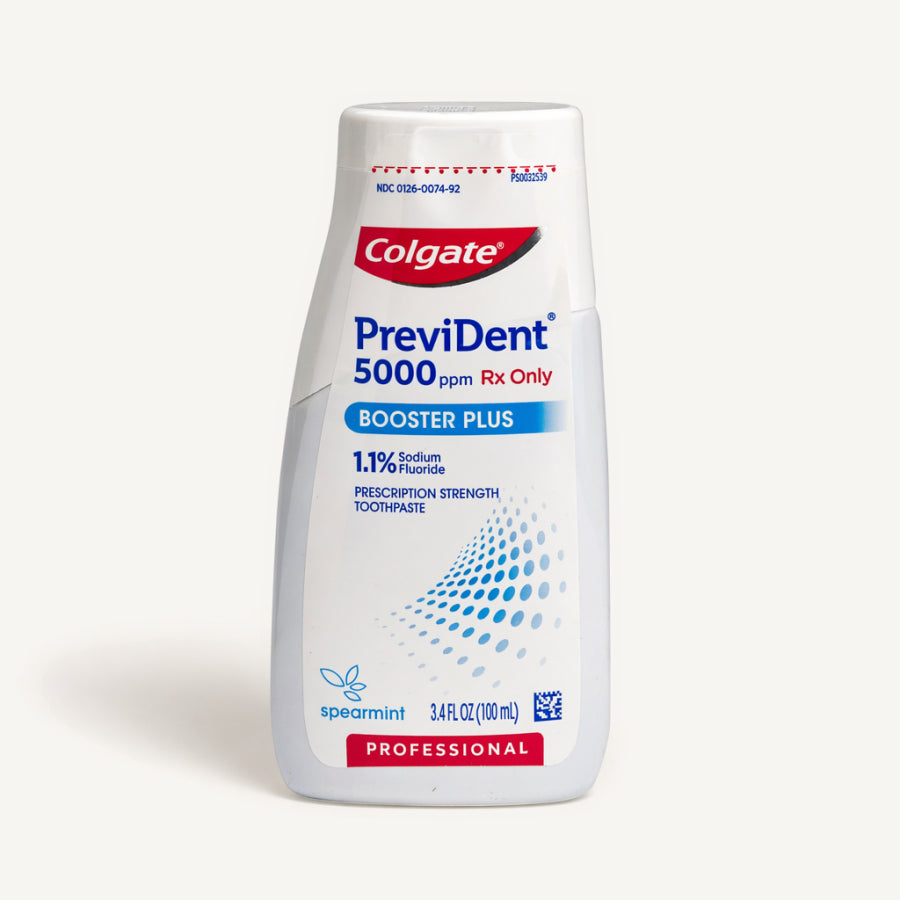
PreviDent 5000
Prescription-strength 1.1% sodium fluoride (5,000 ppm) toothpaste to remineralize enamel and prevent decay.
About Dr. Sona Saeidi, DMD
Cofounder of Soothing Dental in San Francisco's Financial District. DMD magna cum laude, Boston University Goldman School of Dental Medicine. Practicing in California since 2011 (license #60566). Member of the American Dental Association, California Dental Association, and San Francisco Dental Society.
This page is educational and is not a diagnosis. Products sold through Soothing Dental may require a prescription; eligibility is confirmed through a brief telehealth screen at checkout.