
Tooth Sensitivity: Causes & Treatments
by Dr. Sona Saeidi, DMD | Apr 19, 2016 | Dental Health Tips and Information, Remedies
That sharp jolt when you sip iced coffee or take a spoonful of ice cream is more than an inconvenience. It is your teeth telling you something is wrong. Tooth sensitivity affects roughly one in eight adults in the United States, and the causes range from a worn enamel surface to an active dental issue that needs attention. The good news is that most cases respond beautifully to the right combination of at-home care and in-office treatment.
This guide explains why tooth sensitivity happens, what triggers each type of pain, and the modern 2026 treatments Dr. Sona Saeidi uses at Soothing Dental in San Francisco. By the end you will know how to relieve the discomfort and, just as important, how to prevent it from coming back.
What Tooth Sensitivity Actually Is
The outside of every tooth is covered by enamel, the hardest tissue in the human body. Underneath sits a softer layer called dentin, which contains thousands of microscopic tubules leading to the nerve. When enamel wears thin or gums recede, those tubules become exposed. Cold, hot, sweet, or acidic stimuli then travel directly to the nerve and produce that signature zing.
Sensitivity is rarely random. The pain is usually a sign that something has changed in the mouth, whether on the tooth surface, around the gum line, or inside the tooth itself.
The Most Common Causes of Tooth Sensitivity
Enamel erosion from acidic foods and drinks
Citrus, sparkling water, kombucha, wine, and coffee all soften enamel temporarily. Brushing within 30 minutes of consuming acidic foods compounds the damage. Over years, the cumulative effect leaves dentin exposed.
Aggressive brushing
Hard-bristled brushes and a sawing motion strip enamel and push gums away from the tooth. This is one of the leading causes of cervical sensitivity, which is the discomfort patients feel right at the gum line.
Gum recession
The roots of teeth are not protected by enamel. When gums recede, even mild temperature changes can produce strong pain. Periodontal disease, hard brushing, and a tight bite are the usual culprits.
Teeth grinding (bruxism)
Clenching and grinding wear down enamel, fracture cusps, and create microscopic cracks. Many patients who grind do so during sleep and never realize it until sensitivity appears.
Cracked or chipped teeth
A vertical crack can let temperature changes reach the nerve directly. These cracks are sometimes invisible on x-rays and need a careful clinical exam.
Recent dental work
Sensitivity after a filling, crown, or whitening session is normal and usually resolves within two weeks. If it lingers beyond that, the bite may need adjustment.
Untreated cavities
Decay penetrates enamel and irritates the nerve. Sensitivity that focuses on a single tooth, especially with sweets, is often the first warning sign.
How a Dentist Diagnoses the Cause
An accurate diagnosis matters because the treatment depends on the root cause. At Soothing Dental, Dr. Saeidi typically combines four steps: a visual exam under magnification, digital x-rays, a cold or air test on each suspect tooth, and a discussion of habits and diet. According to the American Dental Association, this layered approach is the only reliable way to separate everyday sensitivity from a deeper structural issue.
At-Home Treatments That Actually Work
Switch to a sensitivity toothpaste
Look for potassium nitrate or stannous fluoride on the label. These ingredients calm the nerve response over two to four weeks of consistent use. Twice daily is the minimum dose.
Remineralize with calcium phosphate
Topical pastes deliver calcium and phosphate directly to enamel, strengthening the surface and sealing dentin tubules. Our team frequently recommends MI Paste Plus as a nightly add-on, especially for patients with erosion or post-whitening sensitivity.
Raise oral pH with a high-fluoride gel
For patients prone to decay or erosion, a prescription gel applied at bedtime helps neutralize acid and rebuild enamel. CariFree Pro Gel 5000 combines 5,000 ppm fluoride with elevated pH to target both sensitivity and the bacteria that cause cavities.
Adjust your brushing technique
Use a soft-bristled brush, hold it at a 45-degree angle to the gums, and sweep gently. Electric toothbrushes with pressure sensors prevent overbrushing automatically.
Rethink your snacks and drinks
Limit acidic beverages to mealtimes, sip through a straw, and rinse with water afterward. Wait at least 30 minutes before brushing.
In-Office Treatments for Persistent Sensitivity
When at-home care is not enough, Dr. Saeidi has several options that deliver immediate relief:
- Fluoride varnish applied in-office strengthens weak spots and seals exposed dentin.
- Bonding agents can cover small areas of root exposure with a thin layer of composite resin.
- Dental sealants protect deep grooves on molars where sensitivity often starts.
- Custom night guards stop grinding damage and let cracks stabilize.
- Gum grafting covers exposed roots in cases of severe recession.
- Root canal therapy is reserved for teeth where the nerve is irreversibly inflamed.
How to Prevent Sensitivity from Coming Back
Long-term prevention is mostly about consistent habits. The strongest protective factors are gentle brushing, daily flossing, fluoride exposure twice a day, and a diet that limits acidic snacking. A professional cleaning every six months catches early erosion before it becomes painful.
Stress and grinding are an underrated combination. If you wake with jaw soreness or notice flat wear patterns on your teeth, ask about a night guard before sensitivity appears. Bruxism almost always damages enamel before patients ever feel a symptom.
Daily routine that protects sensitive teeth
Building a routine takes a few weeks, but the relief is durable. Here is the framework Dr. Saeidi recommends to most patients with chronic sensitivity:
- Morning: Brush gently for two minutes with a sensitivity toothpaste. Rinse only briefly so the active ingredients stay on the teeth.
- After meals: Drink water and chew sugar-free gum with xylitol to neutralize acids and stimulate saliva.
- Evening: Floss before brushing. Apply a remineralizing paste before bed and avoid eating or drinking anything except water afterward.
- Weekly: Replace your toothbrush head every 90 days, sooner if the bristles look frayed.
Foods and drinks that help versus hurt
You do not need to avoid the right column entirely. The key is timing. Pair acidic foods with meals rather than sipping or snacking on them throughout the day.
Sensitivity in Different Life Stages
Sensitivity often shifts with age. Patients in their twenties tend to develop it from aggressive whitening or sports-drink habits. Patients in their thirties and forties may notice it after orthodontic treatment or as gums begin to recede slightly. By the fifties, exposed roots and old fillings become more common drivers. Pregnancy hormones can also amplify sensitivity for several months at a time.
The treatment menu does not change dramatically by age, but the priorities do. A 25-year-old with sudden sensitivity may need to ease up on whitening and switch to a softer brush. A 55-year-old may benefit from gum grafting or a fluoride varnish series. The exam is what tells the story.
When to Call Soothing Dental
A little sensitivity from time to time is normal. Schedule an appointment if any of the following apply:
- Pain lasts more than a few seconds after the trigger is gone.
- One specific tooth hurts more than the others.
- You see visible notches at the gum line or feel rough edges.
- Sensitivity wakes you up at night or interferes with eating.
- Recent dental work still feels uncomfortable after two weeks.
Dr. Saeidi runs a concierge practice where every consultation includes time to talk about lifestyle, diet, and goals. Our team treats tooth sensitivity as a signal worth investigating, not a nuisance to mask. Patients across San Francisco visit us for second opinions when sensitivity lingers despite drugstore solutions.
Book Your Sensitivity Exam
If cold, heat, or sweets are making everyday meals uncomfortable, do not wait it out. A focused exam, the right toothpaste, and a tailored prevention plan can change your experience within weeks. Call Soothing Dental or book online to start the conversation with Dr. Saeidi today.
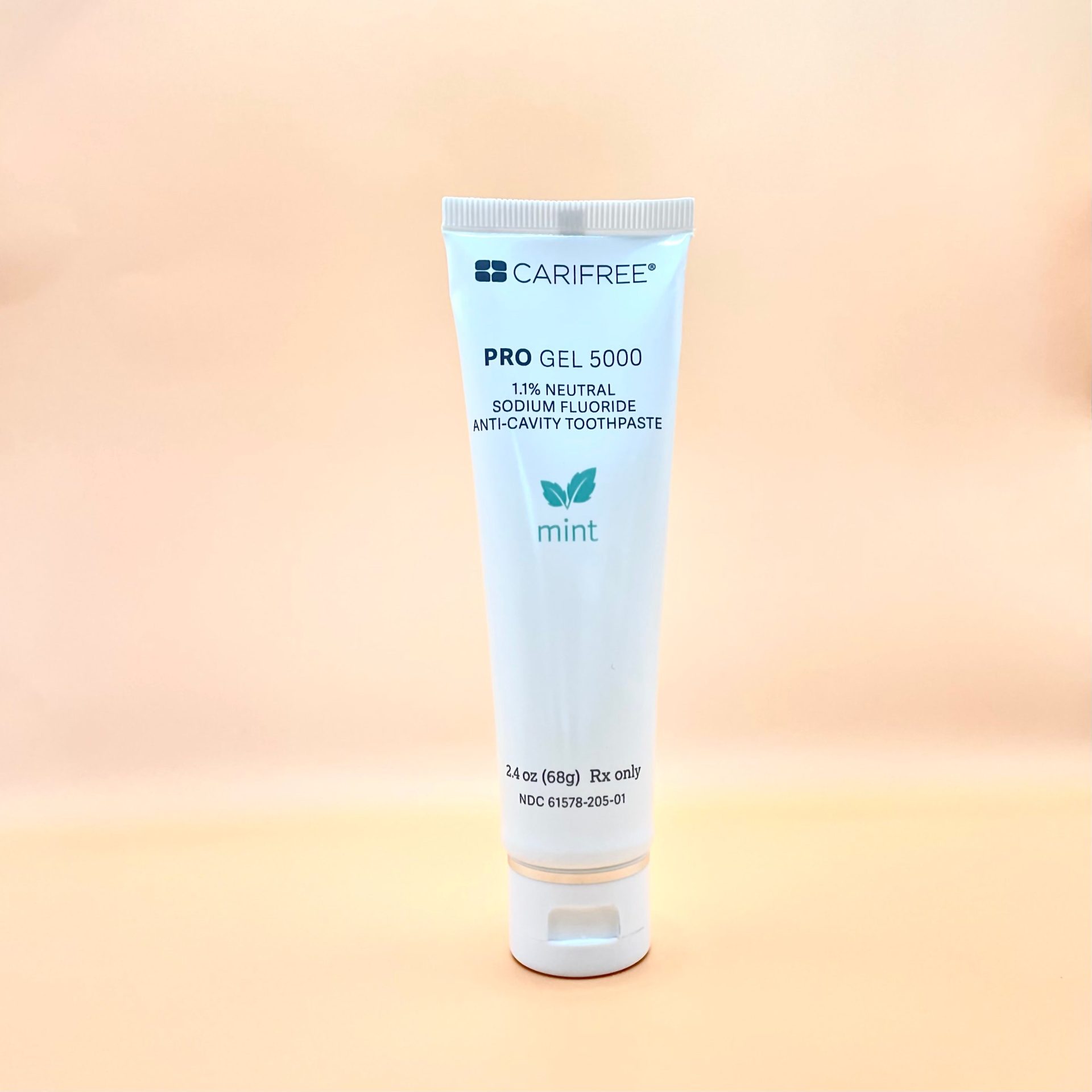
CariFree Pro Gel 5000
Prescription 5,000 ppm fluoride gel with elevated pH and xylitol — ideal for reflux, acidic diets, dry mouth, or sensitive gums.
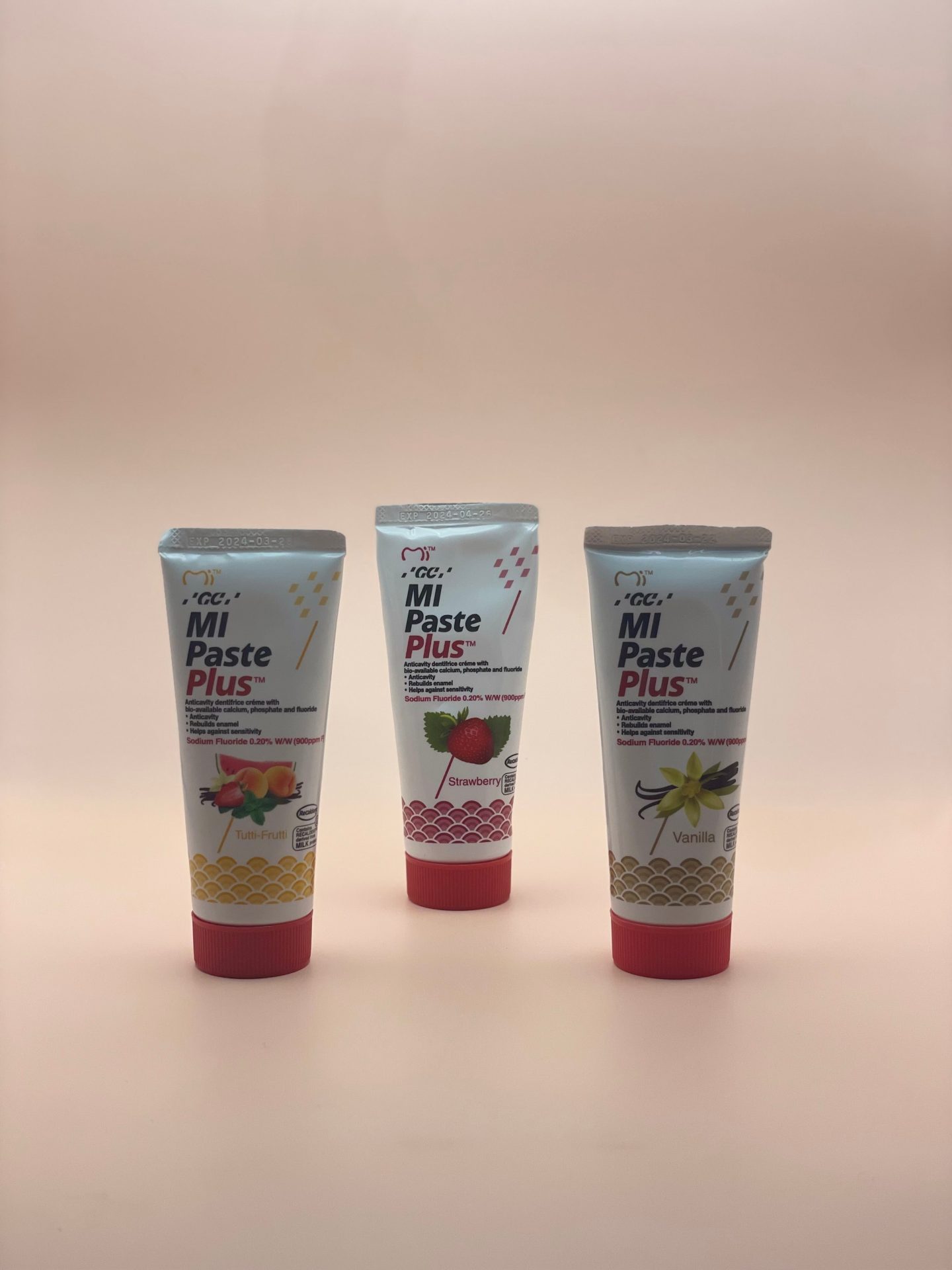
MI Paste Plus
Topical crème with CPP-ACP plus fluoride to remineralize enamel and relieve sensitivity.
About Dr. Sona Saeidi, DMD
Cofounder of Soothing Dental in San Francisco's Financial District. DMD magna cum laude, Boston University Goldman School of Dental Medicine. Practicing in California since 2011 (license #60566). Member of the American Dental Association, California Dental Association, and San Francisco Dental Society.
This page is educational and is not a diagnosis. Products sold through Soothing Dental may require a prescription; eligibility is confirmed through a brief telehealth screen at checkout.