
Gum Disease Treatment in San Francisco
Bleeding, puffy or receding gums are worth a look. We measure your gums, show you what we find, and treat gum disease early with deep cleaning (scaling and root planing) and regular maintenance.
Periodontal care with Dr. Azar Sona Saeidi, DMD and our registered dental hygienist, Stella Misyuk, RDH. All PPO insurance accepted · We file the claim for you.
Signs of gum disease
Gum disease is often painless in its early stages, which makes it easy to miss. See a dentist if you notice:
- Gums that bleed when you brush or floss
- Red, swollen or tender gums
- Bad breath or a bad taste that doesn’t go away
- Gums pulling back from the teeth
- Teeth that feel loose, or a bite that has changed
- Pus between the teeth and gums
Risk goes up with smoking, diabetes, some medications, hormonal changes and a family history of gum disease. Read more about what causes gum disease.
Gingivitis vs. periodontitis
Gingivitis
Inflammation of the gums caused by plaque along the gumline. The gums may bleed and look puffy, but the bone isn’t affected yet. With a professional cleaning and good home care, gingivitis is reversible.
Periodontitis
When tartar and bacteria spread below the gumline, the gums pull away from the teeth and form pockets, and the bone that holds the teeth starts to break down. Treatment can stop it, but lost bone doesn’t grow back on its own, so earlier is better.
How we treat gum disease
Periodontal exam
We measure the space between each tooth and the gum, check for bleeding and recession, and take X-rays to see the bone. You see the numbers and what they mean.
Scaling and root planing
With the area numbed, tartar and bacteria are removed from the tooth and root surfaces below the gumline, and the roots are smoothed so the gums can heal and tighten. Cleanings and deep cleanings
Extra help when needed
For stubborn areas, a prescription rinse or a tray-delivered antimicrobial gel can reach below the gumline between visits. When deep cleaning isn’t enough
Re-check
A few weeks later we measure again to see how your gums have responded.
Periodontal maintenance
Gum disease is controlled, not cured. Cleanings every three to four months help keep the pockets from coming back.
If pockets remain
If deep pockets don’t respond, we’ll talk through the next step, which may include gum surgery. When a case needs it, we have specialists who come to our office.
Nervous about a deep cleaning? Topical numbing gel goes on before any injection, and nitrous oxide is available. See our sedation options, and what to do at home after a deep cleaning.
Receding gums
Gum disease and brushing too hard can both make the gums recede and expose the roots, which can make teeth sensitive and look longer. Dr. Saeidi is trained in the Chao Pinhole technique, which moves the gum back over exposed roots through a small opening, without scalpels or sutures. Traditional gum grafting is an option too, and she’ll tell you up front which suits your gums.
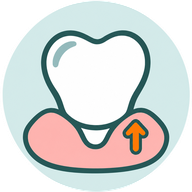
Pinhole gum surgery
Treats receding gums through a small pinhole, with no scalpel and no sutures.
Pinhole gum surgery →
Teeth cleaning and deep cleaning
Routine cleanings and scaling and root planing at our office near Union Square.
Teeth cleaning →
Cleanings with Stella Misyuk, RDH
Stella is our registered dental hygienist. She does your cleanings and helps you keep your gums healthy between visits, working with Dr. Saeidi on your gum care plan.
Patient review
“The dental hygienist is amazing. She always does a fantastic job on my teeth cleaning.”— Anna T.
Insurance and payment
All PPO insurance accepted · We file the claim for you. We accept all PPO plans. And we cannot bill any HMO plans. If you don’t have a PPO plan, and you’d like to take advantage of our in-house monthly plans, you can subscribe to one of those and save while you’re taking care of your oral health in our office.
For payment plans we work with CareCredit and offer in-house financing on larger cases. More about dental insurance.
Gum disease questions
Is gum disease reversible?
Gingivitis, the early stage, is reversible with a professional cleaning and good home care. Periodontitis can be stopped and kept under control, but bone that has already been lost doesn’t grow back on its own.
Does a deep cleaning hurt?
The area is numbed first, so most patients feel pressure rather than pain. Your gums may be tender for a few days afterward. Nitrous oxide is available if you’re nervous.
What’s the difference between a regular cleaning and a deep cleaning?
A regular cleaning removes plaque and tartar on healthy gums, above and just below the gumline. A deep cleaning (scaling and root planing) reaches down into the pockets gum disease creates and smooths the root surfaces so the gums can heal.
How often will I need cleanings after treatment?
Usually every three to four months at first. We adjust the schedule based on how your gums respond.
Do I need to see a periodontist?
Most gum disease can be treated in our office. When a case needs it, we have specialists who come to our office.
Gums bleeding or receding?
Book a visit and we’ll measure your gums and explain what we find. Open Monday to Friday, 8 am to 5 pm, at 450 Sutter Street near Union Square. All PPO insurance accepted · We file the claim for you.