
Dental Implants in San Francisco
Replace one tooth, several teeth or a full arch with dental implants, planned and restored at our office near Union Square. An implant is anchored in the jawbone, so it looks, feels and chews like a natural tooth.
Care led by Dr. Azar Sona Saeidi, DMD (Boston University, California license #60566). All PPO insurance accepted · We file the claim for you.
Is a dental implant right for you?
When a tooth is lost, the teeth next to the gap slowly lean into the space, and the jawbone where the root used to be starts to shrink. An implant replaces the root as well as the tooth, which helps keep the neighboring teeth in place and preserves the bone.
Enough jawbone
An implant needs bone around it. We check with digital X-rays and, when needed, a 3D CT scan. If the bone is thin, a graft can rebuild it first.
Healthy gums
Active gum disease is treated before an implant goes in, because it can damage the bone that holds the implant.
Gum disease treatment →Health that supports healing
Smoking and some medical conditions slow healing. Dr. Saeidi reviews your health history and medications before recommending treatment.
Daily care
Implants can’t get cavities, but the gums and bone around them need brushing, flossing and regular cleanings, just like natural teeth.
Implant options
Single tooth, full-arch, and All-on-4 implants. The right choice depends on how many teeth are missing and how you want the result to feel.
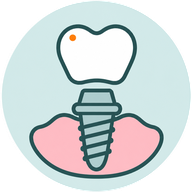
Single-tooth implant
One implant and one crown replace one missing tooth. Unlike a traditional bridge, the teeth on either side don’t need to be filed down.
Bridge vs. implant →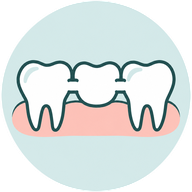
Implant-supported bridge
When several teeth in a row are missing, two implants can hold a bridge that fills the whole gap without leaning on your natural teeth.
Dental bridges →
Full-arch implants (All-on-4)
A full set of fixed teeth attached to several implants, often four, for patients missing most or all of the teeth in an arch. The teeth stay in and are cleaned in place.
Full-mouth implants guide →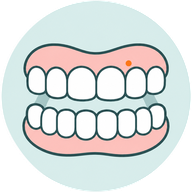
Implant-retained dentures
A denture that snaps onto implants, so it doesn’t slip when you eat or talk, and comes out for cleaning. A good upgrade if you already wear a denture.
Dentures →
Same-day implants
For some patients, the implant goes in the same day the tooth is removed and you leave with a tooth in place, usually a temporary while the implant heals. Whether that’s right for you depends on your bone and your bite.
Bone grafting, when it’s needed
After a tooth is lost, the bone around the gap shrinks over time. Gum disease, an old injury or years of wearing a denture can thin it too. If there isn’t enough bone, a graft rebuilds it so the implant has solid support.
- Socket preservation: graft material placed right after an extraction to limit the bone loss that follows.
- Ridge augmentation: rebuilds width or height where bone has already been lost.
- Sinus lift: adds bone height in the upper back jaw, where the sinus can sit too close to the implant site.
- Your own tooth as graft material (dentin autograft): a healthy extracted tooth can be processed in our office into graft material for the same patient.
A graft usually heals for several months before the implant goes in. Read more in our bone grafting guide and on tooth extraction and grafting.
How the implant process works
Exam and scans
An exam, digital X-rays and, when needed, a 3D CT scan. You get a written treatment plan with costs before any work begins.
Preparing the site
Any extraction, gum treatment or bone graft comes first, so the implant starts on a healthy foundation.
Placing the implant
The titanium implant is placed in the jawbone under local anesthesia. Nitrous oxide, oral sedation or IV sedation are available. Sedation options
Healing
Over about three to four months, the implant fuses with the bone and becomes a stable anchor.
Your new tooth
A crown, bridge or denture made by a dental lab is attached to the implant and adjusted to your bite.
Long-term care
Brush, floss and keep your regular cleanings. With good care, implants can last for decades.
Who does the work? Dr. Saeidi examines you, plans your treatment and oversees every step. When a case needs it, we have specialists who come to our office, so your care stays in one familiar place.
Insurance and cost
The cost of implant treatment depends on how many teeth are being replaced, whether you need grafting, and the type of crown, bridge or denture. You’ll get a written estimate before treatment starts, with no surprises at checkout.
Insurance
All PPO insurance accepted · We file the claim for you. We accept all PPO plans. And we cannot bill any HMO plans.
Dental insurance →Monthly plans
If you don’t have a PPO plan, and you’d like to take advantage of our in-house monthly plans, you can subscribe to one of those and save while you’re taking care of your oral health in our office.
See the plans →Financing
For payment plans we work with CareCredit and offer in-house financing on larger cases.
0% financing →For a closer look at typical costs, see our dental implant cost guide.
Meet Dr. Azar Sona Saeidi
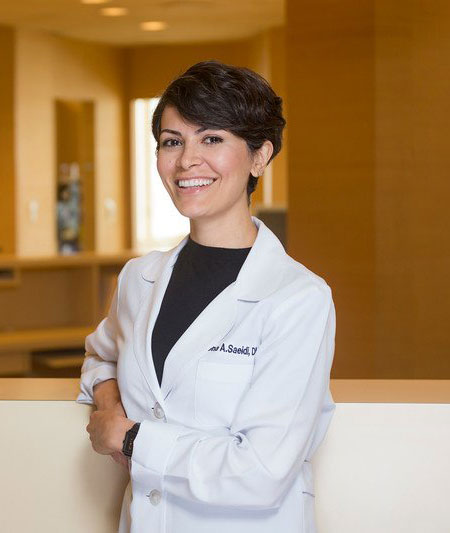
Dr. Azar Sona Saeidi, DMD, is the cofounder and lead dentist at Soothing Dental. She earned her DMD magna cum laude from Boston University’s Goldman School of Dental Medicine and has practiced in California since 2011 (license #60566). Her clinical interests include complex full-mouth rehabilitation, cosmetic dentistry and sedation for anxious patients.
Dental implant questions
How long does the whole process take?
Most implants take about three to four months to fuse with the bone before the final crown goes on. If you need a bone graft first, add several months of healing. You’ll get a timeline at your consultation.
Does getting an implant hurt?
The area is numbed with local anesthesia, and topical numbing gel goes on before any injection. Nitrous oxide, oral sedation and IV sedation are available if you’re nervous. For surgical procedures, long-acting numbing (Exparel) can keep the area comfortable for up to three days.
Can I get a tooth the same day?
Sometimes. With a same-day (immediate-load) implant, some patients leave with a tooth the day the implant is placed, usually a temporary while the implant heals. It depends on your bone and your bite, so we decide together after your exam and scans.
How long do implants last?
Implants are meant to be long-term. With daily brushing and flossing and regular checkups they can last for decades, though the crown on top may need replacing after years of wear.
Is an implant better than a bridge?
Not always. An implant doesn’t need the neighboring teeth filed down and helps preserve the bone. A bridge can be quicker and may make sense if the neighboring teeth already need crowns. We’ll walk you through both.
Does insurance cover implants?
It depends on your plan. We accept all PPO plans and file the claim for you, and our front desk verifies benefits before any visit at no charge. If you don’t have a PPO plan, our monthly plans can help.
Who does the treatment?
Dr. Saeidi examines you, plans your treatment and oversees every step. When a case needs it, we have specialists who come to our office, so your care stays in one familiar place.
Related guides
Missing a tooth?
Book a consultation and we’ll look at your options together. Open Monday to Friday, 8 am to 5 pm, at 450 Sutter Street near Union Square. All PPO insurance accepted · We file the claim for you.