

Blog › Oral Care Products › Prescription toothpaste
Prescription-Strength Toothpaste in A Dentist’s Complete Guide
Four brands, all 5,000 ppm fluoride, and the differences actually matter. Answer two questions and Dr. Saeidi's own decision rules will point you to the right tube — then read the full guide below.
No video call needed
HSA/FSA eligible

I review every prescription order myself — same judgement I'd use with you in the chair.
Dr. Azar Sona Saeidi, DMD
Practicing dentist · Soothing Dental, San Francisco
Find your prescription toothpaste
Two questions · about 20 seconds
Which of these sound like you?
Tap all that apply — these are the groups who genuinely benefit from 5,000 ppm
Uses Dr. Saeidi's own decision rules
Anything else we should factor in?
Tap any that apply — this is what separates the four brands: pH, added minerals, taste, price
Opens store.soothing.dental — our online store, same practice. A licensed dentist reviews the order before it ships.
Call (415) 630-6534 or book a consultation.
The short version
- What it is: 5,000 ppm sodium fluoride — 3 to 5× regular toothpaste, and prescription-only above the FDA's 1,500 ppm line.
- Who needs it: high cavity risk, dry mouth, gum recession, braces, crowns and bridges, or a spot your dentist is watching.
- Which brand: all four are the same strength — CariFree for reflux, Clinpro for white spots, Fluoridex for value, PreviDent if it's what you know.
- How to get it: a licensed dentist reviews your order as part of checkout, at no extra cost. No office visit required.
If you’ve ever stood in the toothpaste aisle wondering why the high-fluoride options are kept behind the pharmacy counter, you’ve already brushed up against one of the more confusing rules in American oral care. Prescription strength toothpaste is real, regulated, and quietly one of the most powerful tools in modern preventive dentistry. It also happens to be a category most patients are never told about until cavities have already started.
I'm Dr. Sona Saeidi, and at Soothing Dental in San Francisco we recommend prescription strength toothpaste to a meaningful share of adult patients every week. This guide explains exactly what it is, who actually needs it, how the major brands compare, and how to get a tube without scheduling an in-person dental visit.
What "Prescription-Strength" Actually Means
The phrase sounds dramatic, but it points to a single FDA-regulated boundary: fluoride concentration. Standard over-the-counter toothpaste in the United States typically contains 1,000 to 1,500 ppm fluoride, most often as sodium fluoride or stannous fluoride. That range is fine for the average low-risk adult who brushes twice daily and visits the dentist every six months.
Prescription strength toothpaste is something else entirely. It contains 5,000 ppm sodium fluoride — roughly 3 to 5 times the concentration in regular Crest or Sensodyne. At that strength, fluoride drives more aggressive remineralization, neutralizes acid faster, and rebuilds early lesions before they become drill-and-fill cavities. The FDA classifies anything above 1,500 ppm as a prescription-only drug because, while extremely safe at the labeled dose, higher concentrations require a clinician's judgment about who should use them.
The most common formulations you'll encounter are 1.1% sodium fluoride gels and pastes. The math: 1.1% sodium fluoride equals about 5,000 ppm fluoride ion. Brand names you may recognize include CariFree Pro Gel 5000, Clinpro 5000, Fluoridex Daily Defense, and Prevident 5000. All four sit at the same 5,000 ppm fluoride concentration, but their other ingredients diverge in ways that matter.
The FDA line sits at 1,500 ppm — anything above it is a prescription-only drug. That is the entire difference in category.
Why 5,000 ppm and not higher?
Years of research established 5,000 ppm as the sweet spot where remineralization benefit climbs sharply without raising daily-use risk. Higher concentrations exist for in-office varnishes (22,600 ppm) but those are professional applications, not home toothpastes.
Who Should Use Prescription Toothpaste
Most healthy adults do not need 5,000 ppm fluoride. Reaching for it as a vanity product is unnecessary and a small waste of money. The patients who genuinely benefit fall into a handful of well-defined groups.
If none of these describe you, regular fluoride toothpaste is almost certainly enough.
1. High cavity risk patients
If you've had two or more cavities in the past three years, you're statistically high-risk. Prescription strength toothpaste cuts new-cavity rates dramatically in this population. We see it most often in patients with deep grooves, crowded teeth, or a history of frequent snacking on fermentable carbs.
2. Dry mouth (xerostomia)
Saliva is your mouth's natural buffer. When salivary flow drops — from medications, radiation, autoimmune disease, or aging — acid lingers and cavities accelerate. Patients on antidepressants, antihistamines, blood pressure medications, or diuretics are particularly vulnerable. For these patients, 5,000 ppm fluoride is essentially non-negotiable.
3. Exposed root surfaces
Gum recession leaves the softer root cementum exposed. Roots cavity at almost twice the rate of enamel. If you have visible recession, especially with sensitivity, prescription strength toothpaste helps protect what regular toothpaste can't reach.
4. Orthodontic patients
Brackets and aligners trap plaque and create areas where bacteria flourish. Patients in long orthodontic treatment frequently develop white-spot lesions that, untreated, become cavities. Switching to 5,000 ppm fluoride during ortho is one of the simplest preventive moves available.
5. Patients with crowns, bridges, or large restorations
The margins where dental work meets natural tooth are vulnerable. Recurrent decay around an existing crown often requires a far more invasive repair than a fresh cavity. Prescription strength toothpaste guards those margins.
6. Anyone with early lesions or "watch" areas
If your dentist has flagged a spot to watch — a small demineralized patch, a groove that's borderline — 5,000 ppm fluoride can reverse it before drilling becomes necessary. This is the single most under-used intervention in preventive dentistry.
Recognize yourself in one of these six? The finder matches you to the right brand in about 20 seconds — or call us and we’ll talk it through.
Find my toothpasteThe Major Brands of Prescription Strength Toothpaste, Compared
Four brands dominate the U.S. market Each is 5,000 ppm sodium fluoride. The differences live in pH, additional ingredients, taste, and price.
Same active ingredient and strength. Pick on the extras: pH, added calcium, taste, or price.
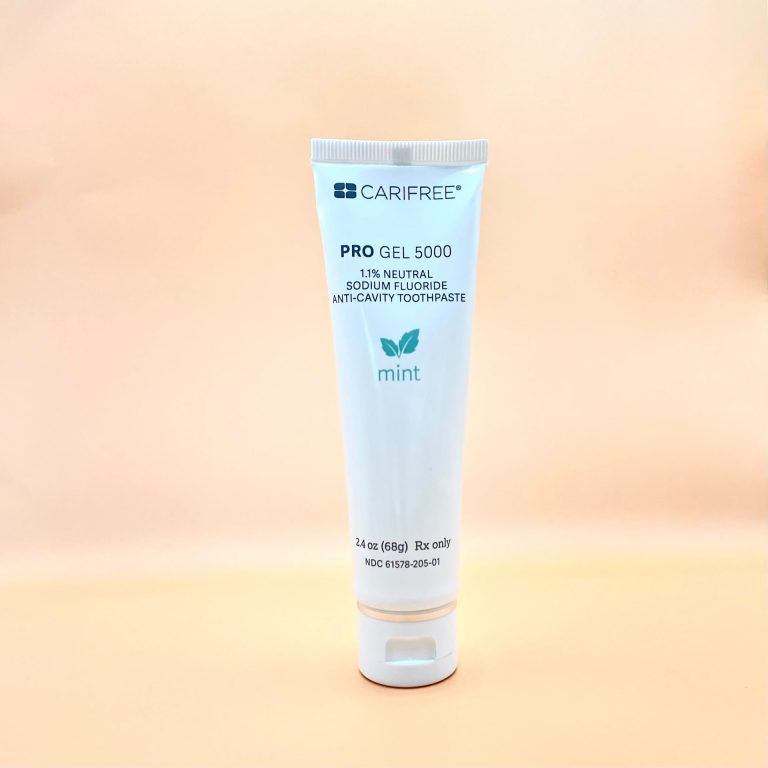
CariFree Pro Gel 5000 with Elevated pH
CariFree's distinguishing feature is its elevated pH formulation. The gel is alkaline, which neutralizes acid as you brush. Patients with acid reflux, frequent vomiting, or acidic diets benefit because the toothpaste itself counteracts the acid attack. It's also xylitol-sweetened, which adds a small antibacterial benefit. The trade-off is a milder mint taste some patients describe as "soapy" the first few uses. Most acclimate within a week. See CariFree Pro Gel 5000 in our store.
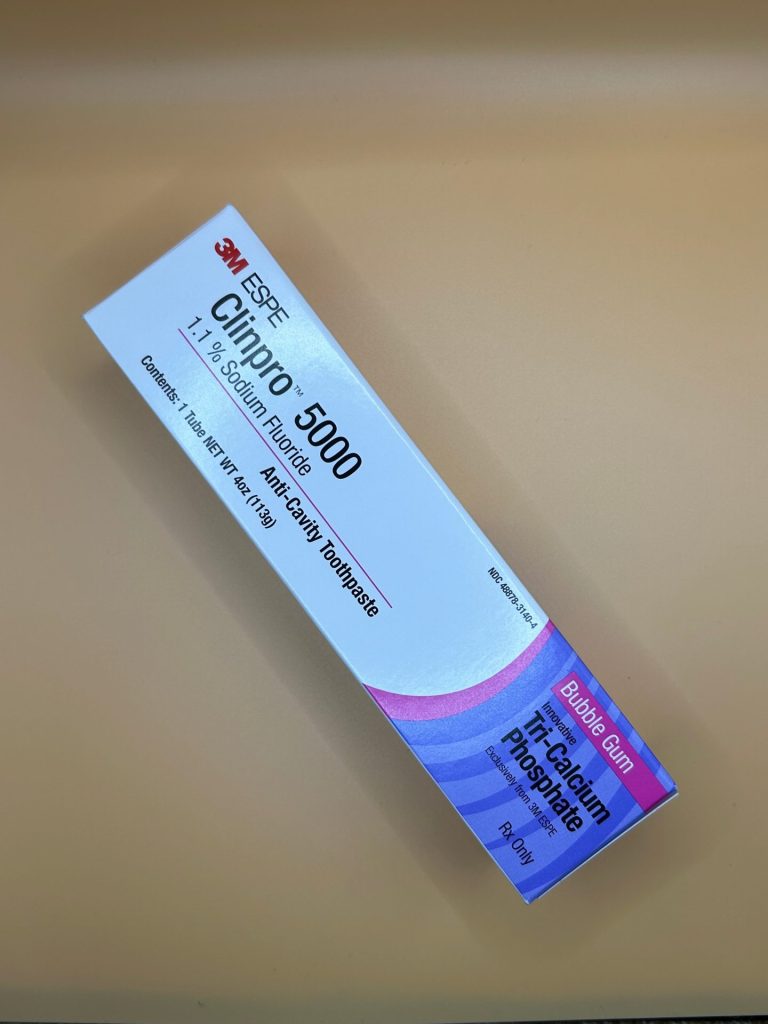
Clinpro 5000 (3M)
Clinpro 5000 layers in functionalized tricalcium phosphate (fTCP), a proprietary calcium technology meant to deliver calcium ions alongside fluoride. The reasoning is that remineralization needs both raw materials, and Clinpro pairs them. Clinical evidence is solid for white-spot lesion reversal, particularly in orthodontic patients. The taste is a more conventional vanilla-mint that most patients prefer right out of the tube. See Clinpro 5000 in our store.
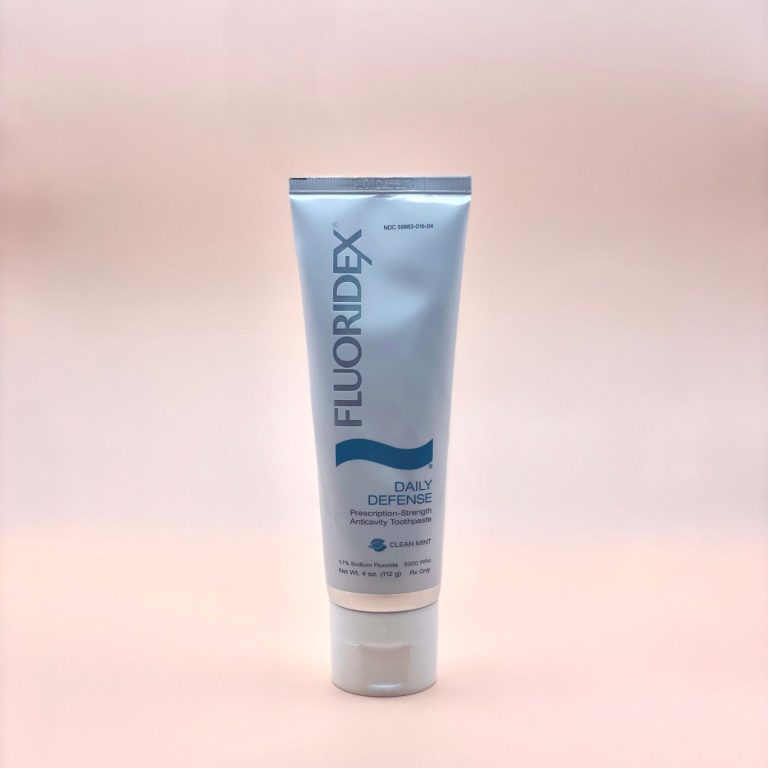
Fluoridex Daily Defense
Fluoridex is the workhorse of the category. It's the most affordable of the four, has a clean mint taste, and is widely used by dental offices for general high-risk patients without specialty needs. If you don't have reflux (where CariFree wins) or active white-spot lesions (where Clinpro wins), Fluoridex is the sensible default. See Fluoridex Daily Defense in our store.
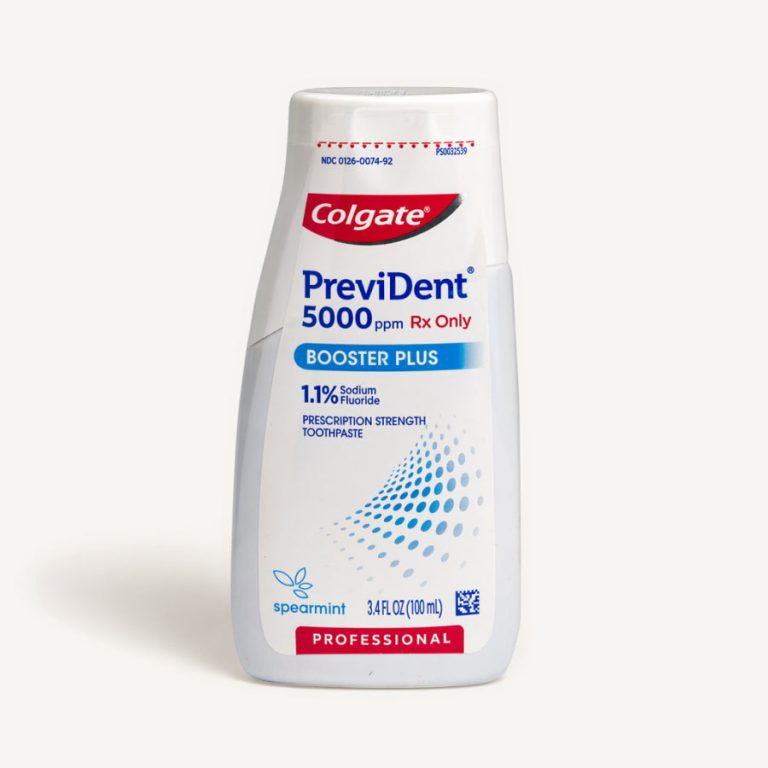
Prevident 5000
Prevident, made by Colgate, has the longest history in the category and is the most familiar to patients who've previously been prescribed prescription strength toothpaste. It's reliable, widely stocked, and tastes close to a regular Colgate paste. See Prevident 5000 in our store.
Quick comparison
All four are 1.1% sodium fluoride at 5,000 ppm. CariFree adds elevated pH and xylitol. Clinpro adds tricalcium phosphate. Fluoridex is the clean budget pick. Prevident is the household name. For most patients, the choice comes down to either acid-reflux history (CariFree), active white-spot lesions (Clinpro), or just getting started without complications (Fluoridex or Prevident). For a deeper side-by-side, see CariFree Pro Gel 5000 vs Clinpro 5000: Which Is Right for You?.
Hydroxyapatite vs Fluoride at Prescription Strength
One question I'm hearing more is whether nano-hydroxyapatite (n-HA) can replace prescription fluoride. The short answer: not yet for high-risk adults, but the research is moving quickly. Hydroxyapatite is the mineral your enamel is made of, and synthetic n-HA toothpastes (RiseWell, Boka, Apagard) deliver tiny crystals that bond to the tooth surface and remineralize from the outside in. For low-risk adults and for kids who shouldn't swallow fluoride, n-HA is a defensible choice.
For high-risk adults, the clinical evidence still favors fluoride at 5,000 ppm. We dig into the actual studies — head-to-head trials, mechanism comparisons, and the kid-vs-adult question — in our deeper analysis: Nano-Hydroxyapatite vs Fluoride: What the Research Actually Says ().
How to Get Prescription Toothpaste Online
Until recently, getting a tube of 5,000 ppm fluoride toothpaste meant booking a dental appointment, sitting through an exam, and walking out with a paper script. That model still exists, and it's still the right path if you haven't seen a dentist in years. But for patients who already have an established dental relationship and just need a refill, the friction is unnecessary.
At Soothing Dental we built an online pathway around this exact pain point. Patients can purchase any of the four prescription strength toothpastes through our store, and a licensed clinician reviews the order and issues the prescription as part of checkout — at no additional cost. The full mechanics, legality, and what to expect at delivery are covered here: How to Get Prescription Toothpaste Online (Without Visiting a Dentist).
If you want the regulatory background on why 5,000 ppm fluoride requires a prescription in the first place, see Do You Need a Prescription for 5000 ppm Fluoride Toothpaste?.
Cost and Insurance Coverage
Prescription strength toothpaste typically costs $18 to $30 per tube at retail. A tube generally lasts 4 to 6 weeks for a daily user, putting annual cost in the $150 to $300 range. That sounds steep until you compare it to the price of a single composite filling, which runs $250 to $450 in the Bay Area. One avoided cavity pays for years of supply.
HSA and FSA cover it with a prescription. Most dental plans do not, because it is classified as a drug.
Most dental insurance plans do not cover prescription toothpaste because it's classified as a drug, not a dental procedure. Some medical insurance plans, particularly those covering xerostomia from cancer treatment or autoimmune disease, will reimburse with proper documentation. HSA and FSA accounts cover it with a prescription, which is one practical advantage of going through a clinician-reviewed pathway rather than buying gray-market.
If cost is a primary concern, Fluoridex Daily Defense is the most affordable of the four name brands and has a clinical profile equivalent to its competitors for general high-risk use.
Frequently Asked Questions
Is prescription strength toothpaste safe for daily use?
Yes, for adults using a pea-sized amount twice daily and not swallowing. The 5,000 ppm concentration was specifically calibrated for daily long-term use. Children under 6 should not use 5,000 ppm fluoride.
Can I just brush more with regular toothpaste instead?
No. Brushing more with 1,450 ppm fluoride doesn't replicate the kinetics of 5,000 ppm. Concentration matters because remineralization depends on fluoride availability at the tooth surface, not total exposure time.
How long until I see results?
Bacterial load and sensitivity often improve within 2 to 4 weeks. Reversal of early white-spot lesions takes 3 to 6 months and is typically confirmed at the next dental visit.
Should I rinse after brushing?
Spit, don't rinse. Leaving the residue on your teeth keeps the fluoride working. Rinsing with water immediately after brushing washes away most of the benefit. This is true for any fluoride toothpaste, but it matters even more at 5,000 ppm.
Can I use prescription strength toothpaste with whitening strips or trays?
Yes, and it can actually help. Whitening agents temporarily increase tooth sensitivity, and 5,000 ppm fluoride accelerates recovery. Use them at separate times — typically toothpaste in the morning, whitening at night.
What's the difference between gel and paste?
Functionally minimal at the same concentration. Gels (like CariFree Pro Gel 5000) tend to be a bit gentler on the gums and more comfortable for patients with recession. Pastes scrub a touch more thoroughly. Either works.
Do I need to keep using it forever?
Most patients use prescription strength toothpaste for a defined period — usually 6 to 12 months — until risk factors stabilize. Patients with permanent risk drivers (chronic dry mouth, autoimmune disease, ongoing radiation history) often stay on it indefinitely. We reassess at every checkup.
Common Misconceptions About Prescription Strength Toothpaste
A handful of beliefs about prescription strength toothpaste circulate often enough that they're worth addressing directly. Most are well-meaning, some come from outdated dental advice, and a few are simply wrong.
Myth: It's the same as regular toothpaste, just more expensive
The fluoride concentration is genuinely 3 to 5 times higher. The clinical effect on remineralization is meaningfully larger. Patients who switch from 1,450 ppm to 5,000 ppm typically see measurable changes in lesion reversal at their next exam, something that doesn't happen with longer brushing or thicker application of standard paste.
Myth: Higher fluoride means more fluorosis risk
Fluorosis is a developmental condition that affects forming permanent teeth in children under 8. Adults using 5,000 ppm fluoride topically have no fluorosis risk because their teeth are already fully mineralized. The reason 5,000 ppm is restricted from young children is precisely because their developing teeth are vulnerable. For adults, the safety profile is excellent.
Myth: I should rinse really well after brushing
This is one of the most common mistakes I see. Rinsing immediately after brushing washes away the fluoride residue that does the actual work. Spit out the excess, but don't rinse with water for at least 30 minutes. The same rule applies to mouthwash — if you use a fluoride rinse, use it at a different time of day so the toothpaste residue can sit undisturbed.
Myth: Prescription toothpaste replaces regular dental cleanings
It does not. Prescription strength toothpaste prevents new cavities and reverses early lesions. It does not remove existing tartar, treat gum disease, or detect problems early. Patients on prescription toothpaste still need professional cleanings every 6 months and exams as scheduled. The toothpaste makes the cleanings easier and the exams less eventful.
Myth: Once you start, you can never stop
For most patients, prescription strength toothpaste is a defined-period intervention. After 6 to 12 months of stable risk factors, many patients step back to over-the-counter strength. The exception is patients with chronic conditions — Sjögren's, ongoing radiation effects, severe recession — where the risk drivers don't resolve. We reassess every patient at every checkup.
Pairing Prescription Toothpaste With the Rest of Your Routine
Prescription strength toothpaste works best as part of a coordinated routine, not as a standalone fix. The biggest gains come when you align several small habits.
Brushing technique
Use a soft-bristled toothbrush, electric or manual. Hold at 45 degrees to the gumline. Brush for a full 2 minutes, twice a day. Most patients underestimate brushing time by half. A timer helps; many electric brushes have one built in.
Flossing matters more, not less
Some patients assume that switching to prescription strength toothpaste reduces the need to floss. The opposite is true. Flossing removes plaque from areas the toothpaste can't reach. The fluoride boost is most effective when the surface is clean. If you've been inconsistent with floss, fixing that habit alongside the new toothpaste is the highest-yield combination.
Diet adjustments
Frequent snacking on fermentable carbs (chips, crackers, sweet drinks) creates near-constant acid attack. Even with 5,000 ppm fluoride defense, sustained acid exposure overwhelms remineralization capacity. Cluster carb intake into meals when possible. Drink water between meals rather than juice or sports drinks. These changes are more impactful than most patients expect.
Hydration and saliva
Saliva is your mouth's first line of defense. If you're chronically dehydrated, on dry-mouth-causing medications, or breathing through your mouth at night, your saliva flow is compromised and prescription toothpaste alone cannot fully compensate. Drink water consistently, address mouth-breathing where possible, and consider a saliva-stimulating product if dry mouth is significant.
Professional fluoride applications
Many high-risk patients benefit from in-office fluoride varnish at every cleaning, in addition to daily prescription strength toothpaste. The varnish delivers a brief, very high concentration that complements the daily lower-and-steady exposure of toothpaste. We recommend varnish for high-risk patients at every 3- to 6-month interval.
Signs Your Prescription Toothpaste Is Working
Most changes happen quietly, but there are signals worth noting between appointments.
Reduced sensitivity is often the first thing patients notice, usually within 2 to 4 weeks. The fluoride helps occlude exposed dentinal tubules and recovery from cold-trigger sensitivity is faster.
Smoother tooth surface when running your tongue along the teeth is a remineralization signal. Surfaces that previously felt slightly rough often feel glassy after a few months of consistent use.
Fewer "watch" areas at your next exam is the most meaningful indicator. We document early lesions and recheck them. When prescription strength toothpaste works, watch areas frequently regress to healthy enamel. This is the outcome that matters most clinically.
Stable cavity count over time is the long-term metric. Patients who used to develop new cavities every cleaning often go years between new restorations once they've stabilized on prescription strength toothpaste.
Still not sure which brand fits? Answer two questions and we’ll point you to one — with the reason.
Find my toothpasteThe Bottom Line
Prescription strength toothpaste is one of the highest-leverage interventions in modern preventive dentistry. It's underused mostly because patients don't know it exists, and because the prescription requirement adds enough friction to discourage casual interest. If you fall into one of the high-risk groups above, the conversation with your dentist is worth having. If you'd rather skip the visit and start protecting your teeth this week, you can order online with a complimentary Rx review at Soothing Dental's store.
If you have questions about which formulation fits your specific risk profile, reach out — we're happy to help.
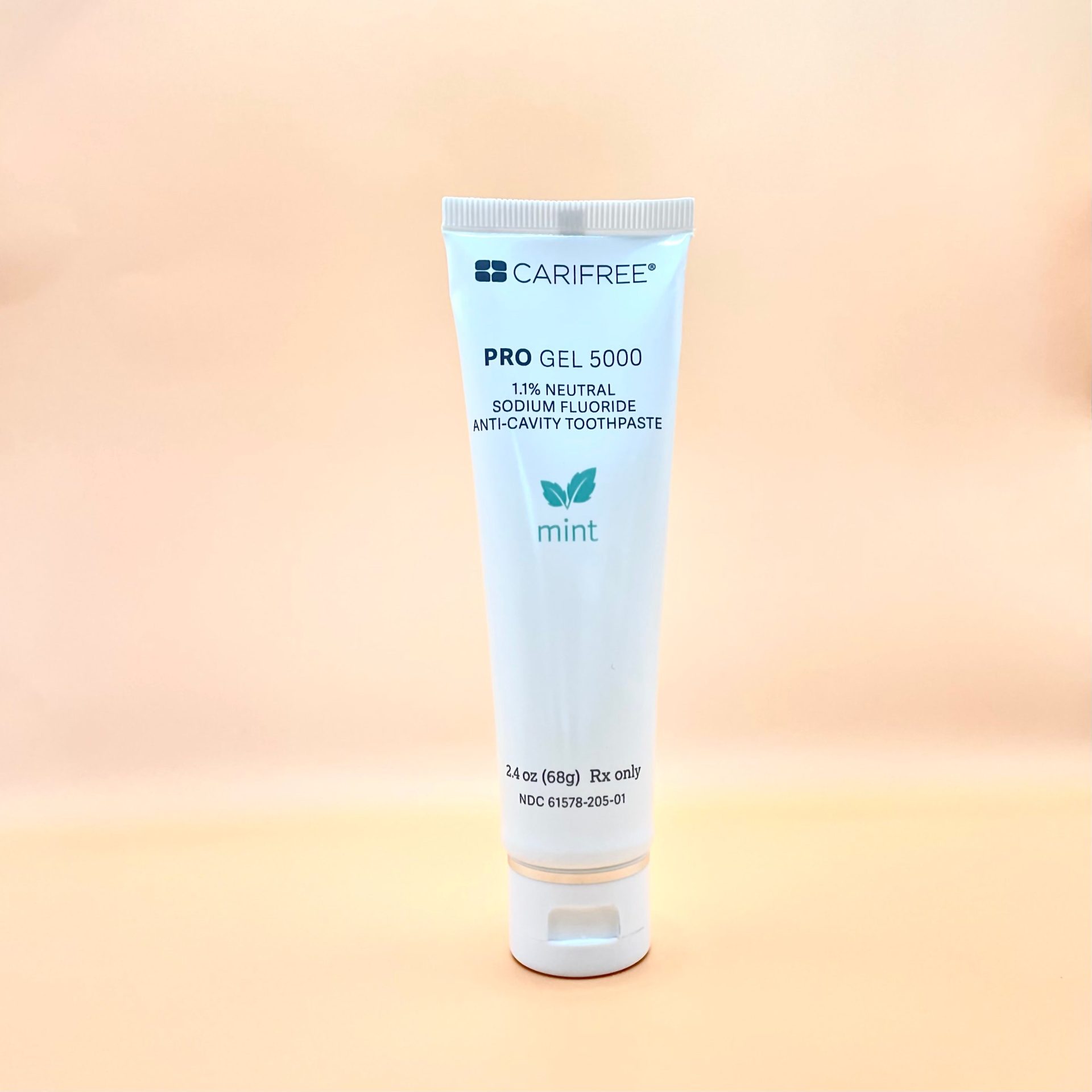
CariFree Pro Gel 5000
Prescription 5,000 ppm fluoride gel with elevated pH and xylitol — ideal for reflux, acidic diets, dry mouth, or sensitive gums.
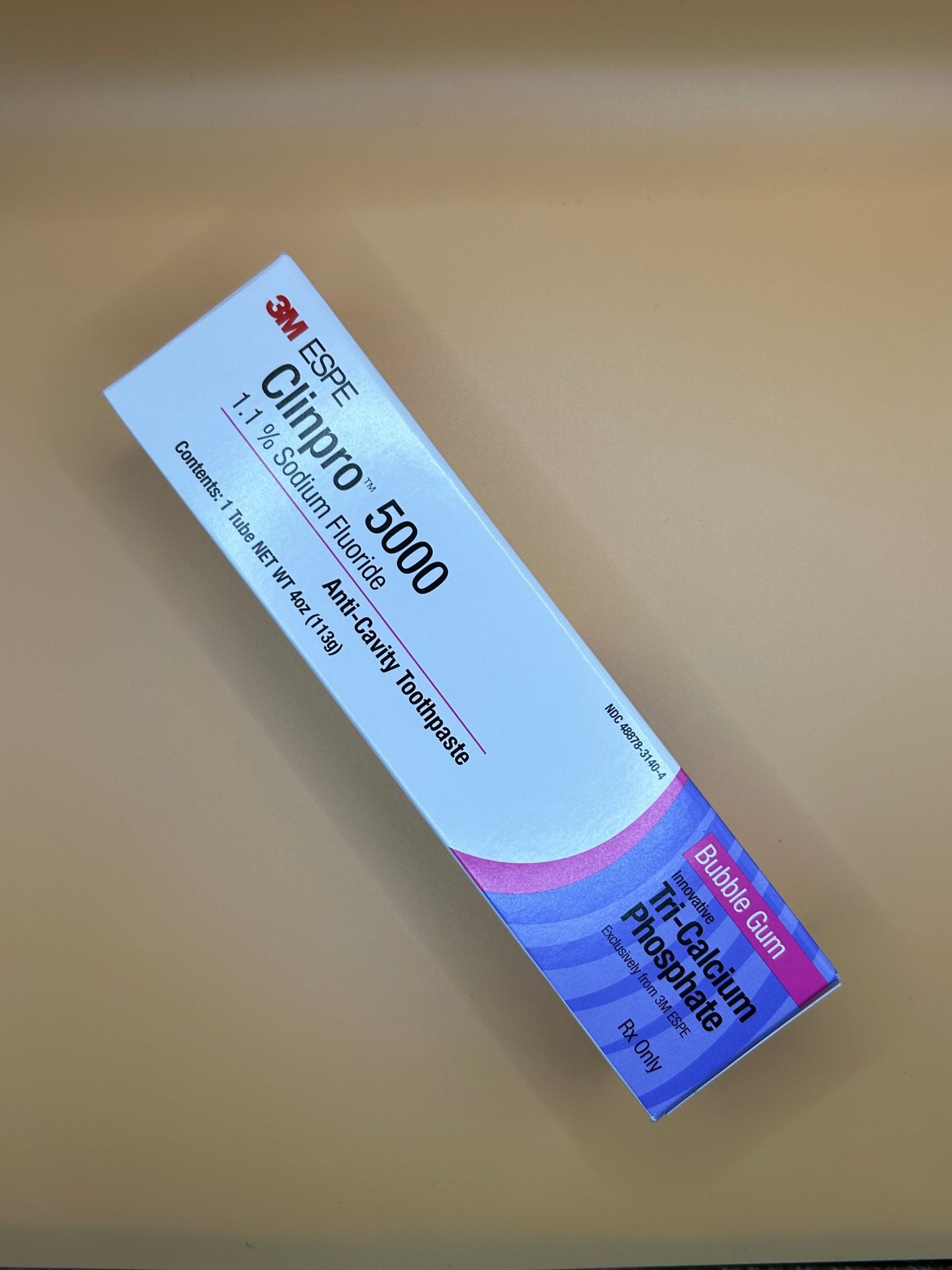
Clinpro 5000
Prescription 5,000 ppm fluoride paste with functionalized tricalcium phosphate (fTCP) — great for braces/aligners and white-spot lesions.
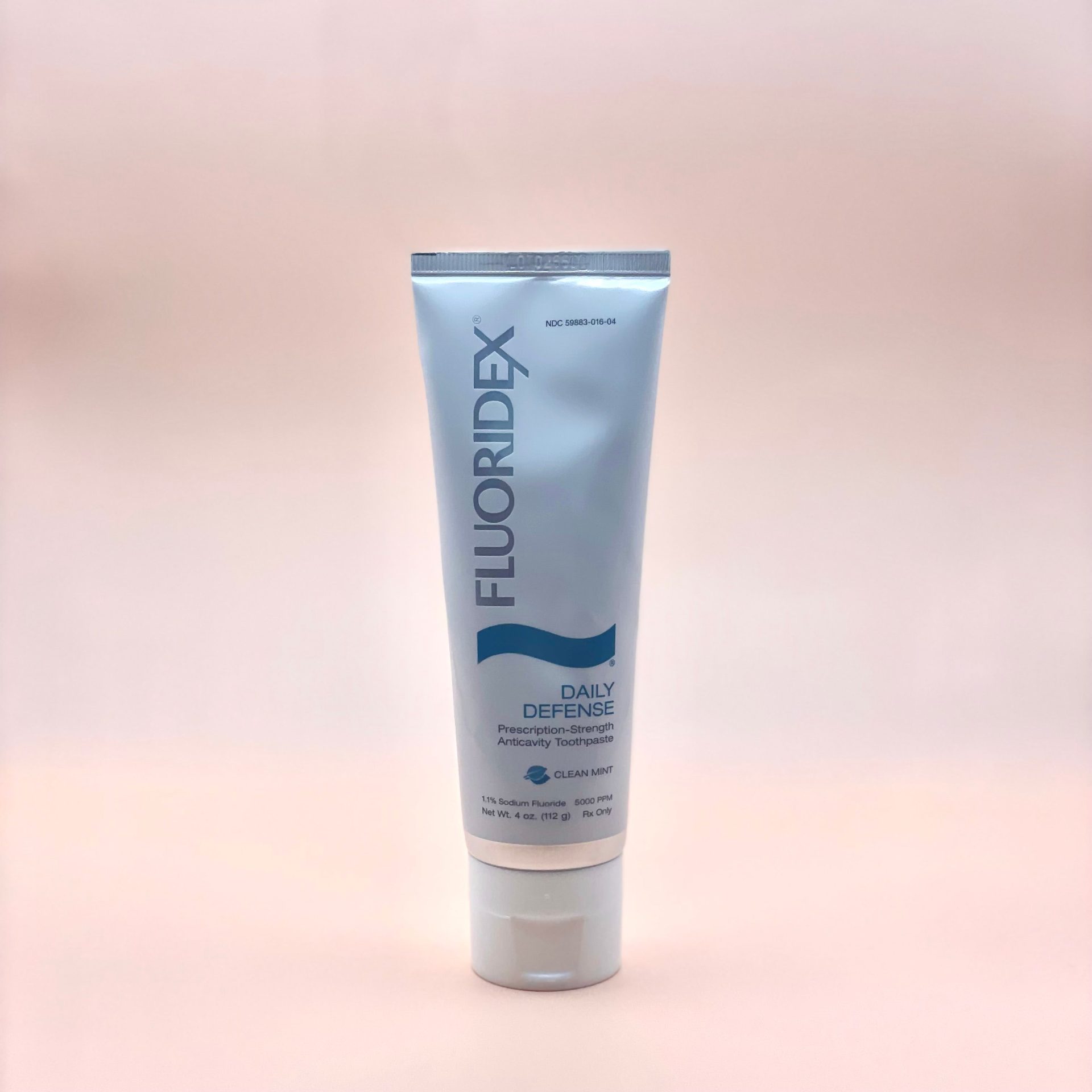
Fluoridex Daily Defense
Prescription-strength 1.1% sodium fluoride toothpaste for daily cavity prevention.
About Dr. Sona Saeidi, DMD
Cofounder of Soothing Dental in San Francisco's Financial District. DMD magna cum laude, Boston University Goldman School of Dental Medicine. Practicing in California since 2011 (license #60566). Member of the American Dental Association, California Dental Association, and San Francisco Dental Society.

This page is educational and is not a diagnosis. Products sold through Soothing Dental may require a prescription; eligibility is confirmed through a brief telehealth screen at checkout.