
Soothing Dental
Concierge dentistry in San Francisco’s Financial District. One dentist. One chair. Same-day appointments. All PPO insurance accepted.
What concierge dentistry means at Soothing
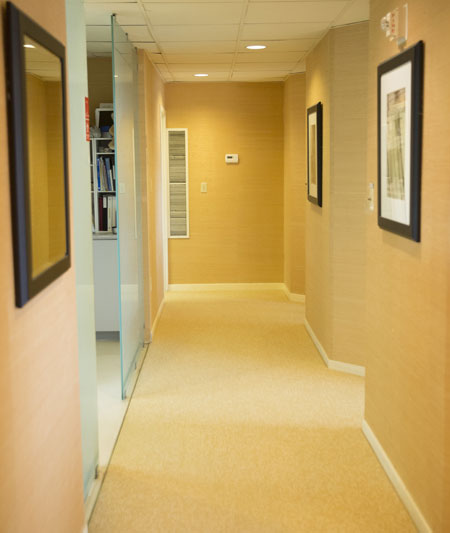
Most San Francisco dental offices run on volume. We don’t. Our concierge model means one dentist, one chair, no double-booking, and unhurried attention you’d expect from a private medical practice — but for your teeth.
Same-day urgent visits
Broken tooth, dental pain, lost crown? We hold daily emergency slots for established patients and reserve same-day urgent visits for new patients.
On-time appointments
Your visit starts when scheduled. We do not double-book chairs and we do not over-schedule. Plan your day with confidence.
Transparent pricing
Written treatment estimate before any work begins. No surprises, no upsells. We submit insurance claims directly so reimbursement comes back to you.
All PPO insurance accepted
We’re typically out-of-network for major carriers but submit claims for every PPO plan. Most patients receive 50–80% reimbursement of usual rates.
Services we offer
Comprehensive adult dental care in one practice — from routine cleanings to advanced cosmetic, restorative, and minimally invasive procedures.
Cosmetic Dentistry
Veneers, professional whitening, bonding, and full smile design. Subtle enhancements through complete makeovers.
Teeth Cleaning
Routine prophy and deep cleaning (scaling & root planing). Most PPO insurance accepted, same-week appointments.
Dental Implants
Single tooth, full-arch, and All-on-4 implants. Surgical and restorative phases coordinated in one practice.
Invisalign
Clear aligner therapy for adults — straightforward to complex full-arch corrections, accelerated where appropriate.
Curodont
Heal small interproximal cavities without drilling. Peptide-based remineralization for early caries.
Periodontal Care
Deep cleanings, pinhole gum surgery, and injectable collagen biostimulators for non-surgical gum regeneration.
Sleep Apnea Therapy
Custom-fitted oral appliances for mild-to-moderate obstructive sleep apnea. CPAP-alternative care.
EXPAREL Pain-Free Dentistry
Long-acting local anesthetic for 72-hour post-procedure comfort. Less reliance on opioids.
San Francisco treatment guides
In-depth guides to specific treatments at our San Francisco practice — costs, options, and what to expect.
- TMJ treatment in San Francisco
- Teeth grinding treatment in San Francisco
- Dental emergencies in San Francisco
- Gum graft alternatives (pinhole technique)
- Porcelain veneers cost in San Francisco
- Veneers vs. bonding in San Francisco
- Invisalign cost in San Francisco
- Dental bridge vs. implant in San Francisco
- Teeth whitening in San Francisco
- Wisdom teeth removal in San Francisco
- Dental crowns in San Francisco
About Dr. Sona Saeidi
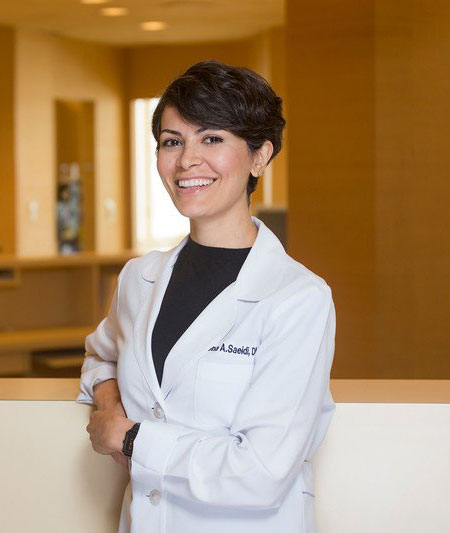
Dr. Sona Saeidi, DMD, is the cofounder and lead dentist at Soothing Dental. She earned her DMD magna cum laude from Boston University’s Goldman School of Dental Medicine and has practiced in California since 2011 (license #60566). She built the practice to deliver the kind of unhurried, expert dental care you’d expect from a concierge medical doctor — but for teeth.
Her clinical interests include cosmetic dentistry, complex full-mouth rehabilitation, sedation for anxious patients, and innovative non-surgical alternatives like Curodont and injectable gum regeneration.
The Soothing team speaks English and Spanish.
Boston University
ADA Member
CDA Member
SFDS Member
CA License #60566
Concierge Care
What patients say
“Took me in for an emergency the same day. Staff was very pleasant and Dr. Saeidi was very nice and welcoming, fixed my teeth perfectly and verified several times that I am pleased with the result.”
— Pavel E.
“Dr. Saeidi talked me through all my dental procedures very well, gave me best-case / worst-case scenarios as well as options for what my insurance / out of pocket would be.”
— Stephanie D.
“These folks were amazing! Thanks Yelp for the recommendation! I was an out-of-towner who was in town for 3 hours and had a dental emergency. They found a slot. The front desk was friendly.”
— David S.
Insurance and payment
What we accept
All major PPO insurance plans — Cigna, Aetna, Guardian, MetLife, Delta Dental, BCBS, and more. We are typically out-of-network for these carriers but submit claims directly so your reimbursement comes back to you within 2–4 weeks.
For payment plans we work with CareCredit and offer in-house financing on larger cases.
Compare plans by carrier
- Cigna vs Aetna Dental — 2026 SF comparison
- Guardian Dental Insurance 2026 — full guide
- Delta Dental, Cigna & Aetna — SF networks
Not sure what your plan covers? Our front desk verifies benefits before any visit at no charge — even for first-time patients.
Visit Soothing Dental
📍 Location
Soothing Dental
450 Sutter Street, Suite 2500
San Francisco, CA 94108
Two blocks from Union Square · One block from Powell Street Cable Car · Nearest BART/Muni: Powell Street station · Paid parking at Union Square Garage and Sutter-Stockton Garage.
🕐 Hours
Same-day urgent appointments available for broken teeth, dental pain, and lost crowns. Call (415) 989-3953 for the earliest available time.
Frequently asked questions
Are you in-network for my insurance?
We’re typically out-of-network for major PPO carriers (Cigna, Aetna, Guardian, MetLife, Delta), but we accept and submit claims for all PPO plans. Most patients receive 50–80% reimbursement of usual and customary rates from their insurer.
How do I book a first appointment?
Book online at our scheduling system or call (415) 989-3953. New patient consultations take about 60 minutes and include a comprehensive exam, digital x-rays as needed, oral cancer screening, and a written treatment plan.
Do you offer same-day appointments?
Yes. We hold daily emergency slots for established patients and reserve same-day urgent visits for new patients with broken teeth, dental pain, or lost crowns. Call (415) 989-3953 for the earliest available time.
What languages does the team speak?
English and Spanish.
Do you treat children?
No — we focus on adult patients. For pediatric care, we recommend a dedicated pediatric dental office in the Financial District or Marina.
Can I order prescription dental products without an existing prescription?
Yes. Our online store offers complimentary clinician review at checkout — if a brief telehealth screening is appropriate, our team will issue the prescription. Visit the Soothing Dental Shop.
Ready to meet Dr. Saeidi?
Same-day urgent appointments and routine new-patient bookings are available now.