

Blog › Prescription toothpaste
CariFree Pro Gel 5000 vs Clinpro 5000: Which Is Right for You?
Same 5,000 ppm fluoride, two different formulations. Answer two questions and we'll tell you which of the two fits your mouth — the full comparison is below.

I review every prescription order myself — same judgement I'd use with you in the chair.
Dr. Azar Sona Saeidi, DMDPracticing dentist · Soothing Dental, San Francisco
Find your prescription toothpaste
Two questions · about 20 seconds
Which of these sound like you?
Tap all that apply — these are the groups who genuinely benefit from 5,000 ppm
Uses Dr. Saeidi's own decision rules
Anything else we should factor in?
Tap any that apply — this is what separates the four brands: pH, added minerals, taste, price
Opens store.soothing.dental — our online store, same practice. A licensed dentist reviews the order before it ships.
Call (415) 630-6534 or book a consultation.
The short version
- Identical where it counts: both are 1.1% sodium fluoride at 5,000 ppm.
- CariFree adds elevated pH + xylitol — the pick if reflux or an acidic diet is part of the picture.
- Clinpro adds tricalcium phosphate — the stronger choice for white spots and orthodontic patients.
- Both need a prescription; a licensed dentist reviews your order at checkout, no extra cost.
When patients ask me about CariFree Pro Gel 5000 vs Clinpro 5000, they’re really asking which of the two most-prescribed prescription strength toothpastes fits their situation. They sit at the same fluoride concentration, target overlapping patient groups, and cost about the same. Yet they’re not interchangeable. The right choice depends on what your mouth is actually doing — and on a few quiet differences in formulation that most product pages skip.
I'm Dr. Sona Saeidi at Soothing Dental in San Francisco, and the carifree pro gel 5000 vs clinpro 5000 question comes up almost every week. Here's the side-by-side I give patients.
CariFree Pro Gel 5000 vs Clinpro 5000: The Quick Verdict
The carifree pro gel 5000 vs clinpro 5000 question really comes down to your dominant risk factor.
Choose CariFree Pro Gel 5000 if you have acid reflux, eat acidic foods, struggle with frequent dry mouth, or want the gentler-on-gums gel format. Choose Clinpro 5000 if you're in or just out of orthodontics, have visible white-spot lesions, or want the calcium-fluoride combination for active remineralization. Both are 5,000 ppm sodium fluoride. Both are excellent. The differences are real but specific.
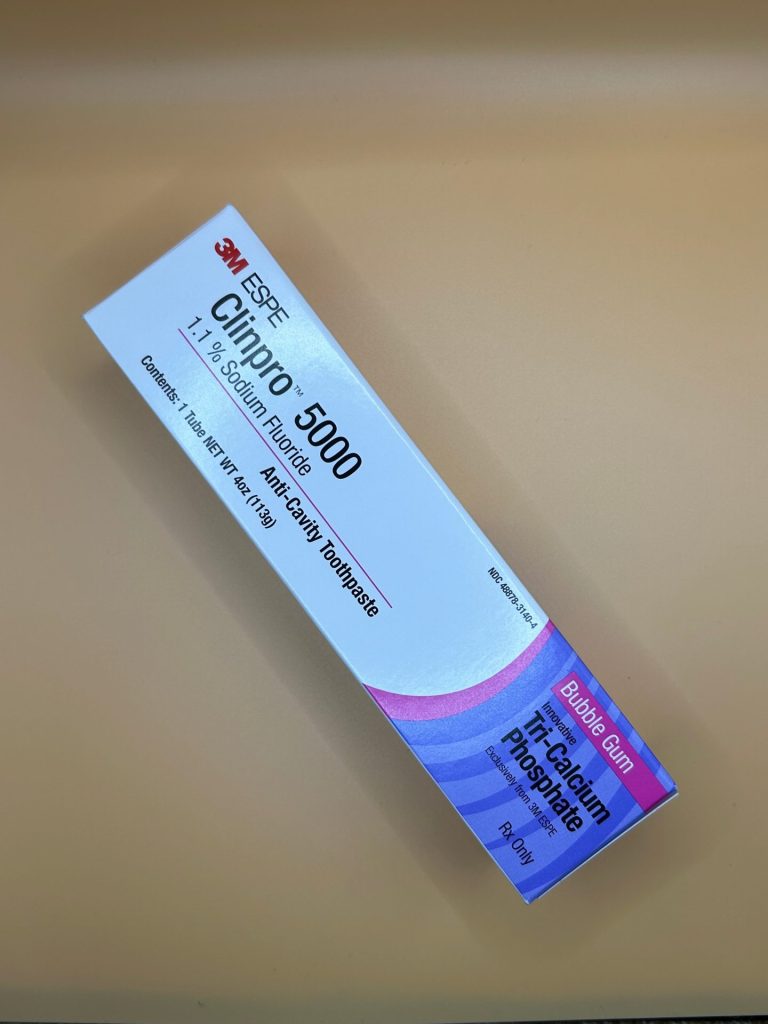
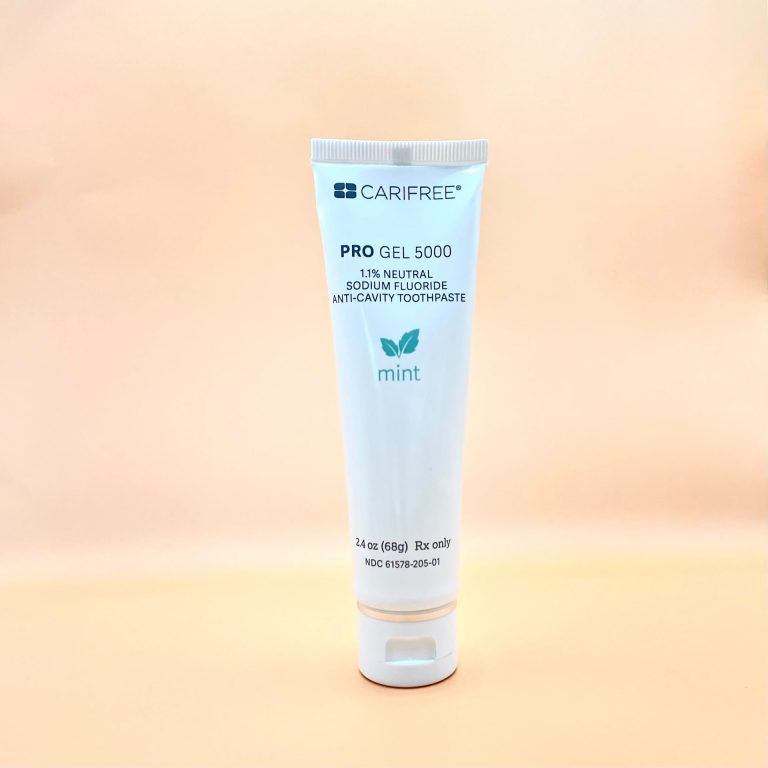
Same active ingredient and strength. The difference is what each adds on top.
Fluoride: Identical
Both products contain 1.1% sodium fluoride, which equals 5,000 ppm fluoride ion. This is the FDA prescription threshold, the same level used by Fluoridex and Prevident, and the concentration backed by decades of remineralization research. If your only criterion is fluoride strength, the answer is "either." The decision lives in the supporting cast.
Not sure which one you need? Two questions, about twenty seconds, and Dr. Saeidi's own decision rules point you to one — with the reason.
Find my matchpH: Where They Diverge
Saliva ideally sits around pH 7.0. Acid attacks — from soda, citrus, wine, reflux, or bacterial metabolism — drop it below the critical 5.5 threshold where enamel begins to dissolve. CariFree Pro Gel 5000 is formulated at an elevated pH, meaning the gel itself is alkaline. As you brush, you're not just delivering fluoride; you're actively neutralizing acid in your mouth. For reflux patients, this matters in a way that's easy to dismiss until you've watched enamel disappear.
Clinpro 5000 sits at a more neutral pH and doesn't make pH a feature. For patients without acid issues, it's a non-factor. For patients with reflux, vomiting episodes, or acidic diets, the elevated pH on CariFree is a clear differentiator.
pH is the single biggest practical difference between the two tubes.
Ingredients Beyond Fluoride
CariFree Pro Gel 5000
Beyond elevated pH, CariFree adds xylitol as its sweetener. Xylitol is mildly antibacterial against the cavity-causing bug Streptococcus mutans — bacteria can't metabolize it, and over time the population shifts. The effect is modest but real. CariFree also includes nano-hydroxyapatite in some of its product lines, though the Pro Gel 5000 specifically focuses on the elevated-pH and xylitol synergy. The format is a soft gel, which patients with sensitive gums or recession often find more comfortable than abrasive paste. CariFree Pro Gel 5000 product page.
Clinpro 5000
Clinpro's calling card is functionalized tricalcium phosphate (fTCP). The premise is that remineralization needs three things: fluoride, calcium, and phosphate. Most prescription toothpastes deliver fluoride alone and rely on saliva to supply calcium and phosphate. Clinpro packages calcium directly with fluoride in a way that, in 3M's clinical work, accelerates white-spot reversal. Patients in orthodontic treatment — where decalcification around brackets is the most common preventable problem — get the most pronounced benefit. Clinpro 5000 product page.
Taste and Texture
Patients ask about taste constantly, so let's be honest. Clinpro 5000 has a vanilla-mint flavor that most patients describe as pleasant from the first use — close enough to commercial toothpastes that the transition is easy. CariFree Pro Gel 5000 has a milder mint that some patients initially describe as "soapy" or "less minty than expected." This is a function of the elevated-pH formulation; aggressive mint flavors don't survive in alkaline gels the way they do in neutral pastes. Most patients adjust within a week. A handful never love it but stay with it for the clinical benefit.
Who Each Is For
CariFree Pro Gel 5000 is the better choice if you have:
- GERD, acid reflux, or frequent heartburn
- A history of bulimia or chronic vomiting
- An acidic diet (citrus, soda, kombucha, wine)
- Dry mouth where the alkaline buffering helps
- Sensitive gums or significant recession
- A preference for gel over paste
Clinpro 5000 is the better choice if you have:
- Active orthodontic treatment (braces or aligners)
- Recently completed orthodontics with visible white spots
- White-spot lesions identified by your dentist
- A high-cariogenic diet without reflux history
- A preference for conventional paste taste and texture
Cost and Where to Buy
When comparing the carifree pro gel 5000 vs clinpro 5000 on cost, pricing is essentially comparable, with both products in the $22 to $28 per tube range. Tube size varies slightly — Clinpro is typically a 4-ounce tube, CariFree comes in 4.6-ounce sizes — but per-day cost works out close enough that price shouldn't drive the decision. Insurance generally doesn't cover either, but both qualify for HSA and FSA reimbursement when purchased with a prescription.
You can buy either through Soothing Dental's online store with a complimentary prescription review at checkout — see the comparison guide for full details on the prescription pathway in our complete prescription toothpaste guide.
The Dentist's Honest Take
If I had to name the most under-prescribed product in this category, it's CariFree Pro Gel 5000 — specifically because reflux is more common than patients realize, and most general dentists don't ask about it before prescribing. If a patient's primary issue is white-spot lesions from braces, Clinpro pulls ahead in head-to-head clinical work. For everyone else, both work, and the choice comes down to taste preference and which trade-off matters more.
What you should not do: assume one is "stronger." They're identically dosed at the FDA-regulated prescription concentration. The differences are pharmacology, not potency.
What About Combining Both?
Some patients ask whether they can use both — Clinpro 5000 in the morning and CariFree Pro Gel 5000 at night, for example. The short answer is yes, with a small caveat. Combining doesn't violate any safety guideline, and there's a theoretical case for layering benefits: calcium-fluoride synergy from Clinpro plus elevated-pH buffering from CariFree.
The practical issue is that you'd be paying for two prescription products when one usually suffices. For most patients, picking the formulation that matches your dominant risk factor is the better-value choice. The exception is patients with both reflux and active white-spot lesions, where alternating can make sense.
Switching Between Brands
If you've been on one and want to try the other, no transition period is needed. Both deliver the same 5,000 ppm fluoride dose. You can finish your current tube and start the new one without a gap. Patients who switch often do so for taste reasons rather than clinical reasons, and that's a legitimate basis — adherence matters more than theoretical superiority.
Not sure which one you need? Two questions, about twenty seconds, and Dr. Saeidi's own decision rules point you to one — with the reason.
Find my matchStill Not Sure?
If you're weighing these two against fluoride alternatives entirely, our nano-hydroxyapatite vs fluoride breakdown covers the research on whether n-HA can replace prescription fluoride for adults. For most high-risk patients, the answer remains fluoride first — but n-HA is a legitimate adjunct.
If you want help choosing for your specific situation, reach out to our office. We answer this question in patient consults all the time.
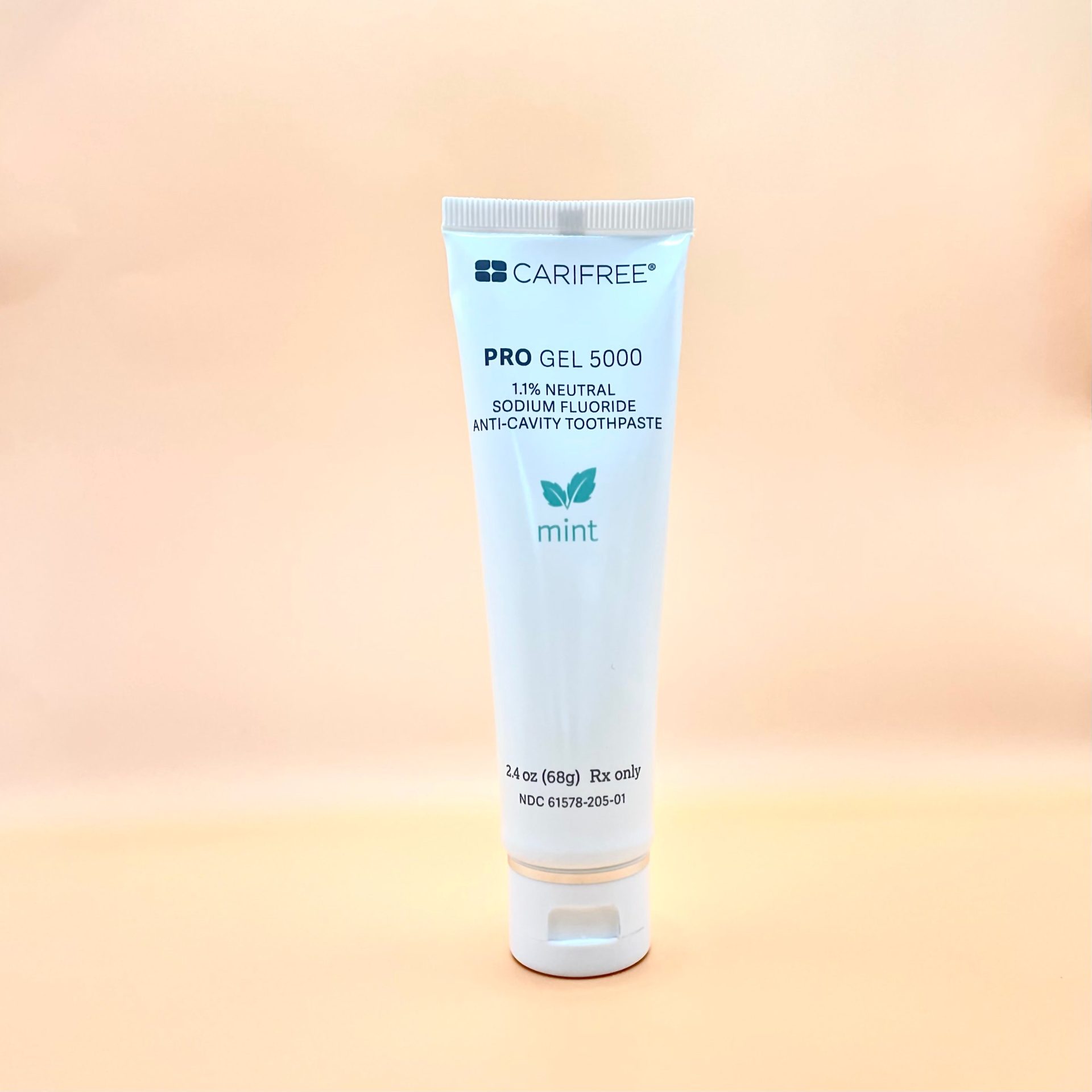
CariFree Pro Gel 5000
Prescription 5,000 ppm fluoride gel with elevated pH and xylitol — ideal for reflux, acidic diets, dry mouth, or sensitive gums.
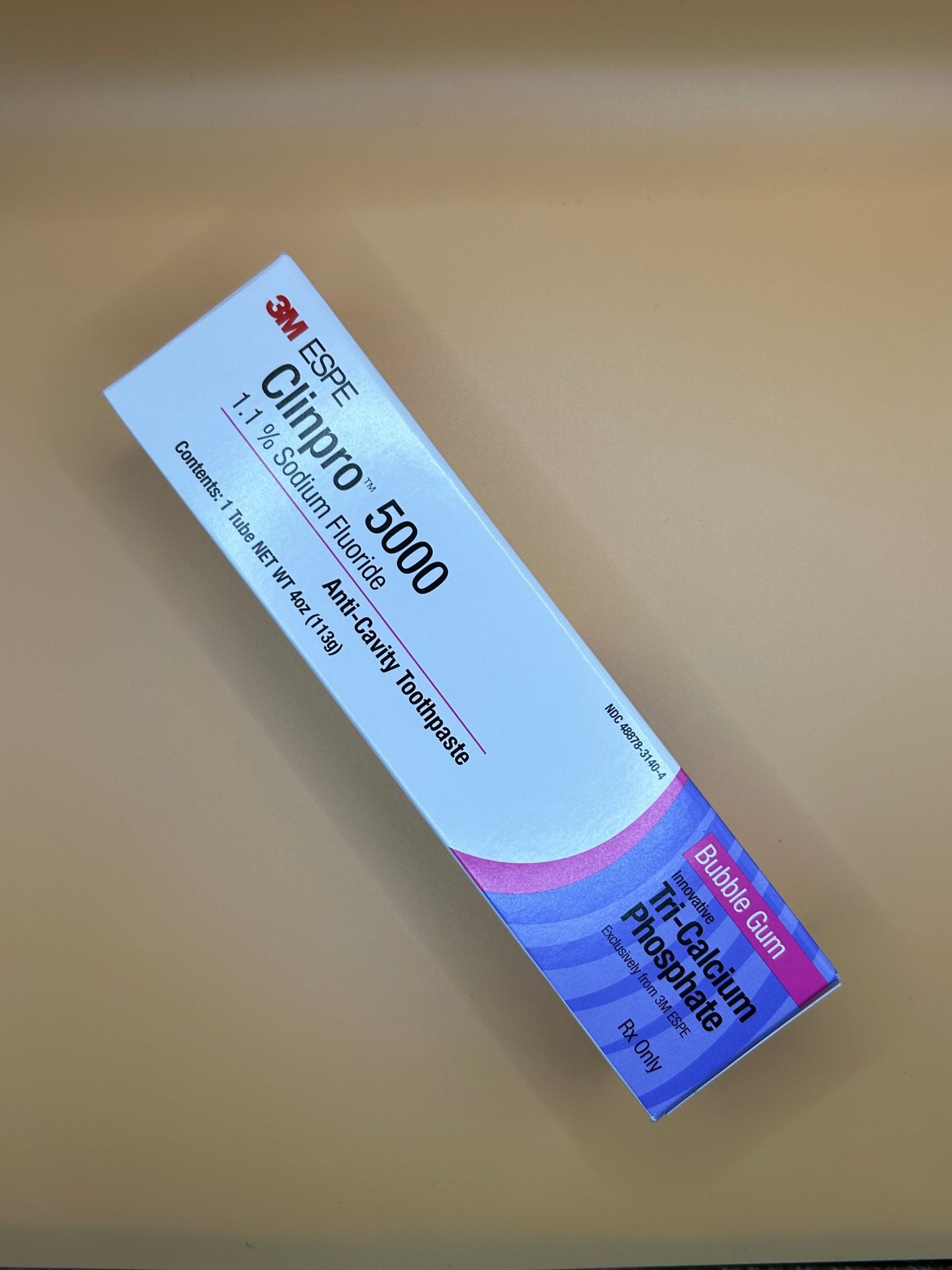
Clinpro 5000
Prescription 5,000 ppm fluoride paste with functionalized tricalcium phosphate (fTCP) — great for braces/aligners and white-spot lesions.
About Dr. Sona Saeidi, DMD
Cofounder of Soothing Dental in San Francisco's Financial District. DMD magna cum laude, Boston University Goldman School of Dental Medicine. Practicing in California since 2011 (license #60566). Member of the American Dental Association, California Dental Association, and San Francisco Dental Society.

This page is educational and is not a diagnosis. Products sold through Soothing Dental may require a prescription; eligibility is confirmed through a brief telehealth screen at checkout.