
Denture Care: How to Clean, Store, and Wear Dentures Properly
by Dr. Sona Saeidi, DMD | Jul 27, 2022 | Helpdesk
If you wear partials or full plates, the right denture care routine protects your gums, preserves the bone underneath, and keeps your appliance looking new for years. Patients often assume dentures are low-maintenance, but the opposite is true. The mouth treats them as foreign objects, and without daily cleaning the tissue underneath suffers. At Soothing Dental in San Francisco, I walk every denture patient through the same habits I would want my own family to follow.
This guide covers cleaning, overnight storage, sleeping with dentures, and the often-overlooked link between dentures and dry mouth. It applies to traditional removable dentures, partials, and implant-retained overdentures.
Why Daily Denture Care Matters
A clean denture is not just about appearance. Plaque and bacteria build up on acrylic the same way they build up on natural teeth. Left in place, that biofilm causes bad breath, gum inflammation, fungal infections like denture stomatitis, and accelerated bone loss in the ridge that supports the denture.
According to the American Dental Association, dentures should be cleaned daily and never worn around the clock. Patients who ignore those rules tend to need relines, repairs, and replacements far sooner than expected. A well-maintained denture often lasts five to ten years; a neglected one can fail in two.
The Tissue Underneath Needs to Breathe
Gum tissue under a denture is constantly compressed. Like skin under a bandage, it benefits from regular exposure to air and saliva. Continuous wear traps moisture and microbes against the tissue, which is the most common cause of the red, sore patches we see on the palate or lower ridge.
How to Clean Removable Dentures Properly
Cleaning is a two-part process. You clean the denture, and you clean your mouth. Skipping either step undoes the work of the other.
After Every Meal
- Remove the denture and rinse it under cool water to wash away food debris.
- Rinse your mouth and any remaining natural teeth.
- If you can, brush the gums and tongue gently with a soft brush.
Once a Day, Deep Clean
- Hold the denture over a folded towel or a basin of water — acrylic shatters if it falls on a hard surface.
- Use a soft denture brush and a mild hand soap or a denture-specific cleanser. Skip regular toothpaste; the abrasives are too harsh and create micro-scratches that harbor bacteria.
- Pay attention to the tissue side, the clasps on a partial, and the seating surfaces around any implant attachments.
- For your natural teeth, brush twice a day with fluoride toothpaste and floss daily. For partial denture wearers this is non-negotiable, because the abutment teeth are now doing extra work.
Weekly Soak
A weekly soak in a non-bleach denture cleanser helps lift stubborn stains and tartar that brushing misses. Avoid hot water, which warps the acrylic, and avoid undiluted bleach unless your denture is fully acrylic with no metal — bleach will corrode metal partial frameworks.
Should You Sleep With Dentures In?
The short answer is no. Sleeping with dentures in your mouth is one of the strongest predictors of long-term tissue damage. A well-cited study published through the National Institutes of Health found that patients who slept in their dentures had more than double the risk of pneumonia compared with those who removed them at night, because aspirated bacteria from the appliance reach the lungs.
Beyond pneumonia, continuous wear leads to:
- Denture stomatitis, a yeast infection that causes red, inflamed tissue under the plate.
- Faster ridge resorption — the bone shrinks more quickly when it never gets a rest period.
- Sore spots and ulcerations that can become chronic.
Overnight Storage Done Right
At night, place the denture in a covered container filled with cool water or a denture-soaking solution. The acrylic needs to stay hydrated; allowing it to dry out causes warping and cracks. In the morning, rinse the denture thoroughly before placing it back in your mouth, especially if you used a chemical soak.
Dentures and Dry Mouth: A Connection Most Patients Miss
Saliva is what holds a denture in place. It also buffers acid, controls bacteria, and lubricates the tissue. When saliva flow drops — from medications, aging, autoimmune conditions, or radiation — denture wearers feel the difference immediately. The plate slips, food sticks, the tongue burns, and sore spots multiply.
If you take blood pressure medication, antidepressants, antihistamines, or diuretics, you almost certainly have some degree of medication-induced dry mouth. We see this constantly in our practice. Two products I regularly recommend to denture patients dealing with this are Aquoral, a long-lasting dry mouth relief spray, and SalivaMAX, a supersaturated rinse that mimics natural saliva chemistry. They make a real, measurable difference in comfort and denture stability.
Other Comfort Strategies
- Sip water throughout the day rather than gulping occasionally.
- Avoid alcohol-based mouthwashes, which dry tissue further.
- Use a humidifier at night, especially in heated rooms.
- Limit caffeine and stop smoking — both reduce salivary output.
Caring for Implant-Supported Dentures
If your denture snaps onto implants, you have the most stable option available. But implants are not maintenance-free. Plaque accumulates on the abutments and the underside of the denture, and if it is not removed, the surrounding bone resorbs in a process called peri-implantitis. We see implant failures every year in patients who assumed implants meant they could stop cleaning.
Implant-overdenture patients should:
- Remove the denture every night and clean it as described above.
- Brush around each implant abutment with a soft brush, paying attention to the gumline.
- Use a water flosser or soft picks designed for implants.
- Visit the office at least twice a year so we can professionally clean the abutments and inspect for any tissue concerns.
When to Call Your Dentist
Dentures change over time, and so does the mouth they sit in. Bone resorbs, tissue thins, and the fit drifts. Schedule an evaluation if you notice any of the following:
- The denture clicks, slips, or rocks when you chew.
- You develop sore spots that do not resolve within a few days.
- You see a white film or red, raw tissue under the plate.
- Speech becomes harder or your bite feels different.
- The denture has been in service for more than five years without a professional check.
Annual exams catch most problems before they become urgent, including ill-fitting plates that are quietly damaging the ridge.
Common Mistakes That Shorten Denture Lifespan
After years of treating denture patients, the same handful of habits show up again and again as the reason an appliance fails early. Avoiding them costs nothing and adds years of comfortable wear.
- Brushing with regular toothpaste. The abrasives create micro-scratches that look invisible to the eye but become a habitat for bacteria and stains. Use a denture-specific cleaner or mild soap.
- Cleaning over a hard sink. A single drop onto porcelain or stone is enough to fracture the acrylic. Always work over a folded towel or a basin of water.
- Soaking in hot water. Heat warps the acrylic permanently. Use lukewarm water at the warmest.
- Adjusting dentures at home with files or sandpaper. If something rubs, call us. DIY adjustments almost always make the problem worse and can ruin the fit.
- Using denture adhesive to compensate for poor fit. Adhesive is fine as a comfort enhancer for a well-fitting denture. It is not a fix for a denture that has loosened — that needs a reline.
- Skipping the annual exam. Tissue changes silently. Catching a poor fit early prevents bone loss and sore-spot ulceration that can become chronic.
Final Thoughts on Denture Care
Good denture care is not complicated, but it is consistent. Clean the denture daily, brush your gums and any remaining teeth, take the appliance out at night, store it in water or solution, and address dry mouth proactively. Patients who follow this routine keep their dentures comfortable and their tissue healthy for the long haul.
If you wear dentures and have not had them evaluated in over a year, or you are considering upgrading to implant-retained options, our concierge team in downtown San Francisco is here to help. We will assess fit, tissue health, and whether a refit, reline, or new appliance makes the most sense for you.
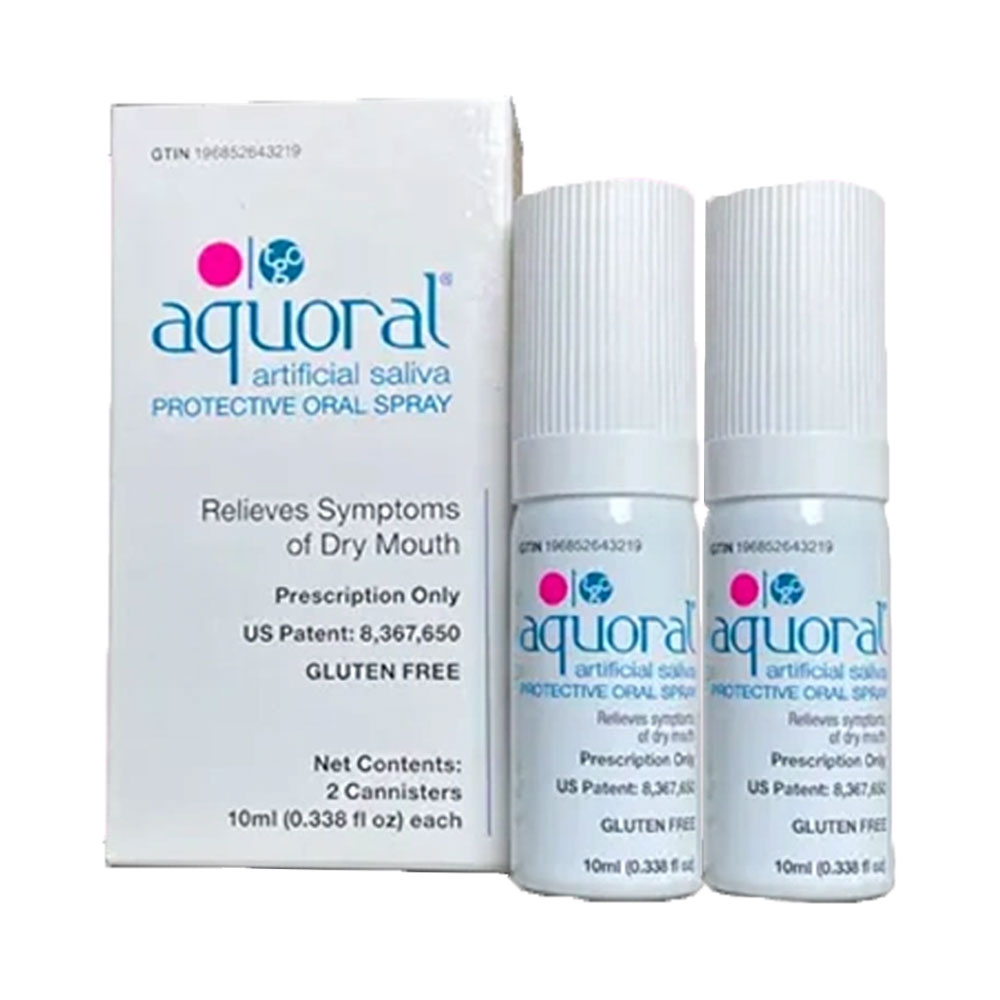
Aquoral Dry Mouth Spray
Long-lasting oil-based oral spray that coats tissue and locks in moisture for hours of dry-mouth relief.
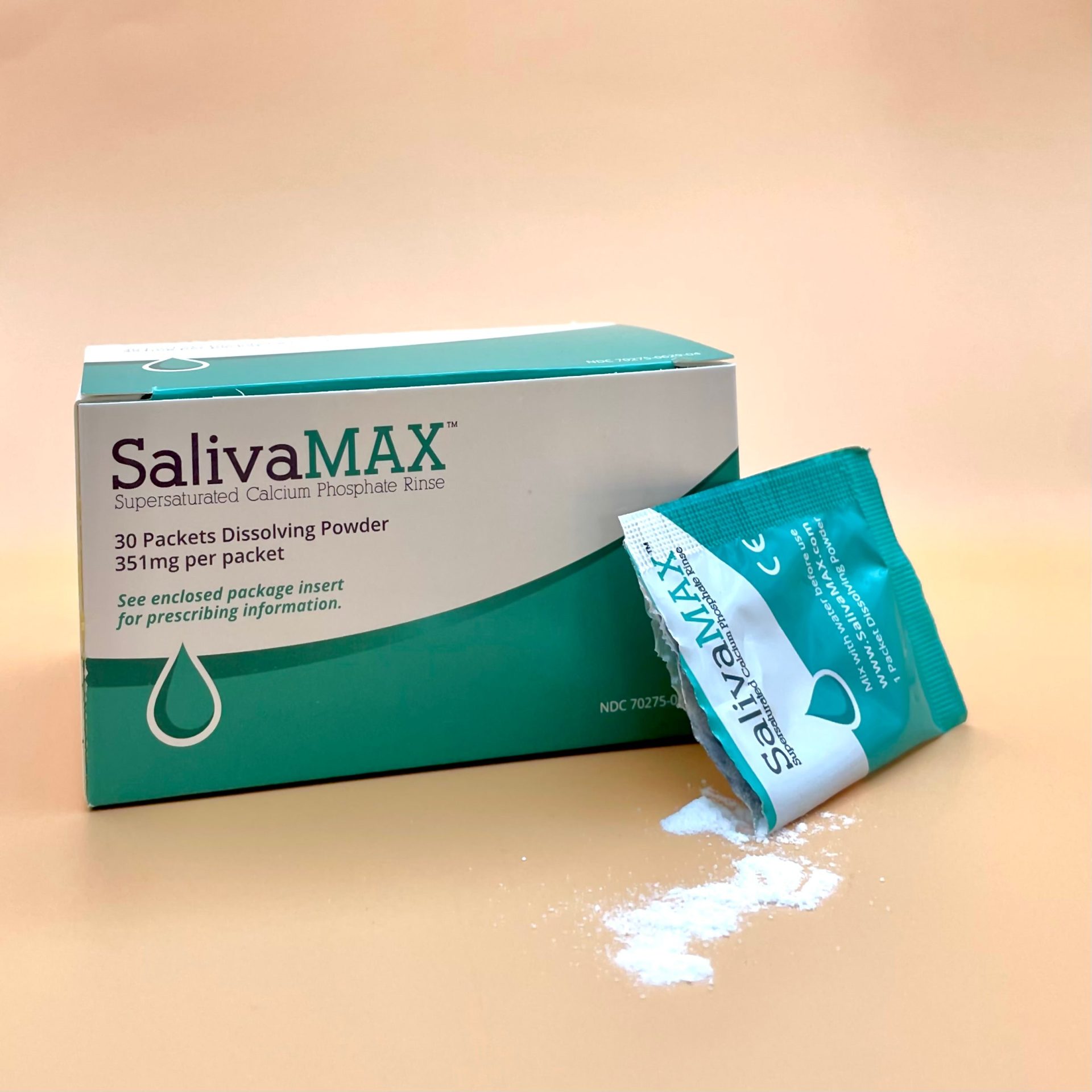
SalivaMAX
Supersaturated calcium phosphate rinse that soothes dry mouth and remineralizes tooth surfaces.
About Dr. Sona Saeidi, DMD
Cofounder of Soothing Dental in San Francisco's Financial District. DMD magna cum laude, Boston University Goldman School of Dental Medicine. Practicing in California since 2011 (license #60566). Member of the American Dental Association, California Dental Association, and San Francisco Dental Society.
This page is educational and is not a diagnosis. Products sold through Soothing Dental may require a prescription; eligibility is confirmed through a brief telehealth screen at checkout.