
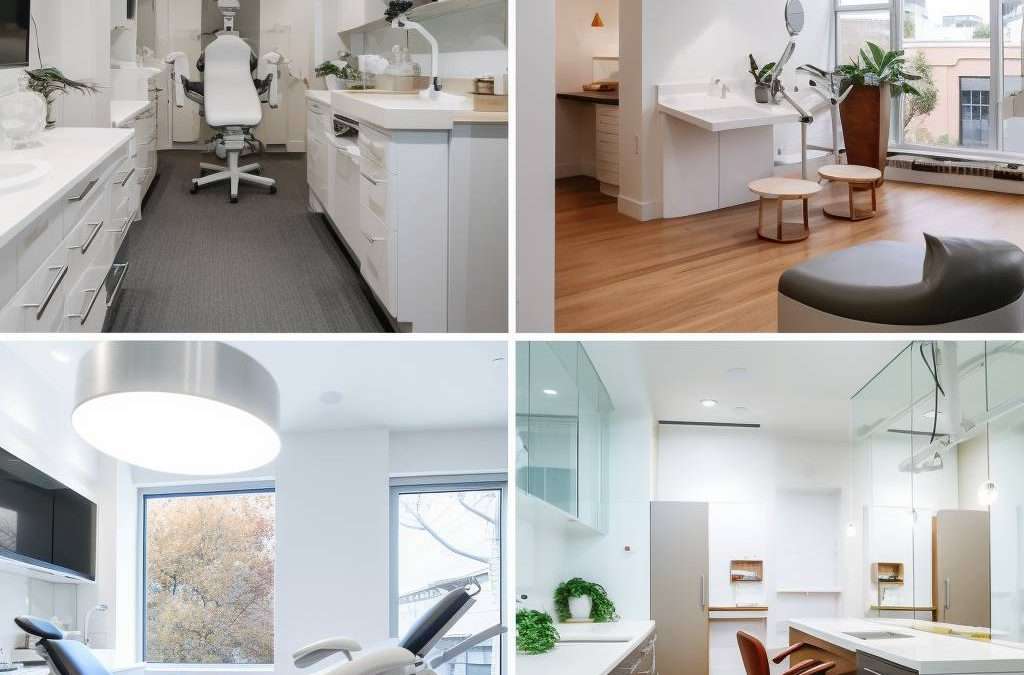
Choosing a San Francisco dentist in 2026 means more than picking the closest office on Google Maps. The city is dense with practices, yet the gap between the best and the average has widened. Patients now expect digital scheduling, transparent pricing, modern technology, and a calm chairside experience. Below are the five things that actually matter when you compare offices, plus a clear framework you can apply this week.
This guide focuses on adult and family-friendly general care across the Financial District, Nob Hill, Pacific Heights, the Marina, and Cow Hollow. We will not rank pediatric-only practices. We also exclude offices that have closed or merged. The goal is simple: help you walk into your next appointment confident that you picked the right team.
What to Look For in a San Francisco Dentist
Start with the right question. Instead of asking, “Who is the best dentist in San Francisco?” ask, “Which practice fits my schedule, my insurance, and my comfort level?” That shift changes everything. The “best” office is the one you will actually return to twice a year.
Below, we walk through five priorities. Each one ties back to a real decision you will face during a consultation or first visit. Use this list as a checklist when you tour an office or read its website.
1. Clinical Range and Specialist Access
A strong general practice handles cleanings, fillings, crowns, root canals, Invisalign, implants, and cosmetic work under one roof. That matters because referrals add weeks. When a single team owns your chart, your treatment plan stays consistent. Ask which procedures the office performs in-house. Then ask how often each dentist completes them.
Look for offices that publish service menus clearly. If a practice hides pricing or routes every question to a phone tree, that is a signal. According to the American Dental Association, patients should verify scope of practice before booking. Verification takes five minutes and saves you a wasted consult.
2. Technology That Reduces Chair Time
Modern San Francisco dentist offices use intraoral scanners, digital X-rays, same-day crown milling, and 3D imaging. These tools cut appointment length and lower radiation exposure. They also produce more accurate restorations. If a practice still uses film X-rays or messy impression trays, you are paying 2026 prices for 2010 care.
Ask three questions during your first call. Does the office use digital impressions? Do they offer single-visit crowns? How recent are their imaging systems? Honest practices answer in seconds. Hesitation usually means the equipment is older than the website suggests.
Why Technology Affects Comfort
Better tools mean fewer follow-ups, less time numb, and cleaner outcomes. Patients with anxiety especially benefit from quieter handpieces, smaller scanners, and laser-assisted cleanings. Comfort is not a luxury anymore. It is the baseline.
3. Insurance Handling and Pricing Transparency
The biggest source of patient frustration in 2026 is billing surprise. A great office verifies your benefits before you sit in the chair. They submit claims for you. They also tell you the out-of-pocket estimate in writing.
If you are weighing PPO networks, our breakdown of Cigna vs. Aetna dental coverage walks through deductibles, annual maximums, and orthodontic riders side by side. Read it before you call any office, because the question “Do you take my insurance?” is too vague. The real question is “How much will I owe after my plan pays?”
Practices that offer membership plans for uninsured patients are also worth a closer look. So are offices that publish good-faith estimates for major work. Avoid any clinic that dodges direct cost questions.
4. Patient Experience and Communication
A polished website, online booking, and same-week appointments are now table stakes. So is responsive text messaging for follow-ups. The best San Francisco dentist teams treat communication like a clinical service, not an afterthought.
Watch how the office handles your first inquiry. Did someone respond within a business day? Did they explain next steps clearly? Did they ask about your goals before quoting a price? Those small signals predict the whole relationship.
Concierge Models Are Reshaping Care
An emerging segment of the city offers concierge dentistry, which trades volume for attention. Concierge practices schedule longer visits, assign a dedicated coordinator, and prioritize same-day urgent care. If you have a busy executive schedule or anxiety about dental work, this model may justify the premium.
Even outside the concierge tier, you should expect named contacts, written treatment plans, and a clear path to reach a human after hours.
5. Location, Hours, and Real-World Convenience
San Francisco traffic, parking costs, and Muni delays are real. Pick an office near your home, your office, or a transit line you already use. The Sutter Street area downtown works well for Financial District commuters because BART, Muni, and several garages converge within two blocks.
Also check operating hours. A practice that opens at 9 a.m. and closes at 5 p.m. on weekdays only does not fit most working schedules. Ask about early-morning, lunchtime, and Saturday options. Convenience drives compliance, and compliance protects your teeth.
How to Score Each Office in 10 Minutes
Use a simple grid. Score each candidate from 1 to 5 across the five categories above. Add a sixth row for online reviews, weighted by recency. Toss any office below 18 out of 30. The remaining shortlist is your real comparison set.
Six Questions to Ask Every San Francisco Dentist
Once your shortlist is down to two or three offices, schedule a brief consultation with each. The goal is not free dental work. The goal is to evaluate communication style and treatment philosophy. Bring six questions and listen carefully to the answers.
First, ask the dentist to walk through your X-rays in plain language. A good clinician explains what they see without jargon. Second, ask which procedures they perform most often and which they refer out. Honesty here builds trust. Third, ask what their typical follow-up looks like after a major restoration.
Fourth, ask about complications. Every dentist has them. Strong clinicians describe how they handle issues openly. Fifth, ask how the office handles emergencies after hours. Sixth, ask what they would do in your situation if you were a family member. The answers will separate the right San Francisco dentist from the merely available one.
What Strong Answers Sound Like
Watch for specifics. “I would recommend a porcelain crown rather than a gold one because of the position and your bite pattern” is a strong answer. “We always use the best materials for our patients” is marketing. The difference is everything.
Red Flags That Should End Your Consideration
Some warning signs are obvious. High-pressure upselling on a first visit. Treatment plans that double or triple between consults. Refusal to provide written estimates. Reluctance to share license credentials.
Other red flags are subtler. Watch for offices that rotate dentists weekly, because continuity of care suffers. Avoid practices that schedule cleanings only with rotating hygienists you have never met. Skip offices with outdated infection-control protocols, which you can spot during a tour.
Also watch how the office handles questions about cost. Transparent practices answer in writing. Evasive practices give vague verbal estimates and resist follow-up emails. The 2026 standard is documented pricing for routine and major work alike.
Insurance, Membership, and Out-of-Pocket Realities
San Francisco salaries are high, but so are San Francisco dental fees. Without good insurance or a membership plan, a single crown can cost $1,500 to $2,500. Two implants can run $8,000. Plan for these realities before you choose an office, not after the treatment plan arrives.
Three insurance scenarios cover most patients. PPO holders should confirm in-network status by procedure code, not by office name. HMO patients should verify the assigned provider list and waiting periods. Patients without insurance should ask whether the office offers a membership plan, which typically bundles cleanings, X-rays, and discounts on major work.
Negotiating Out-of-Network Visits
If your favorite San Francisco dentist is out of network, you still have options. Many offices accept assignment of benefits, meaning they accept the insurance reimbursement directly and bill you only the balance. Ask whether the office files claims for out-of-network patients. The answer should be yes.
Putting It All Together for 2026
The right San Francisco dentist in 2026 combines clinical depth, modern tech, transparent billing, warm communication, and a location that fits your life. No single factor wins on its own. The best offices ace four out of five and explain honestly where they trade off.
If you want a deeper dive into shortlisting techniques, read our companion piece on how to find the best dentist in San Francisco. For a different lens on the same question, our analysis of why most SF residents pick the wrong dentist covers the psychology behind common mistakes.
Book a Consultation
Soothing Dental, led by Dr. Sona Saeidi, sees adult patients across general, restorative, cosmetic, and orthodontic care at 450 Sutter Street. Same-week appointments are available, and our team verifies insurance before your visit. Call (415) 989-3953 or book online to start with a no-pressure conversation about your goals.