
Tonsil Stones Bad Breath: Treatment Guide
by Dr. Sona Saeidi, DMD | May 17, 2016 | Dental Health Tips and Information, General Dentistry, Uncategorized
If you have ever coughed up a small, chalky white pellet that smelled like rotten cheese, you have met a tonsil stone. Patients describe them as embarrassing, confusing, and stubborn. Most arrive at our office worried about the persistent odor rather than the stones themselves. The link is real: tonsil stones bad breath cases are one of the most common causes of chronic halitosis we see in adults who already brush, floss, and use mouthwash.
The good news is that most people can manage tonsil stones at home with the right routine. The better news is that a thorough dental visit can rule out the other causes of chronic odor and give you a real plan. Below, I walk through what these stones are, why they smell, how to remove them safely, and when to escalate to an ENT.
What Tonsil Stones Really Are
Your tonsils are not smooth. They contain deep pockets called tonsillar crypts, which evolved to trap bacteria and viruses so the immune system can study them. In some people, those crypts are unusually deep or scarred from past infections. Food particles, dead cells, mucus, and oral bacteria settle inside and start to compact.
Over weeks, that debris hardens into a biofilm-rich mass. Calcium salts from saliva mineralize the surface, which is why the stones feel chalky. Clinically, they are called tonsilloliths. Sizes range from a grain of rice to a pea, and a single crypt can produce stones repeatedly. Crypt anatomy is set early in life, so adults who get one stone often get them for years.
Why Tonsil Stones Cause Such Bad Breath
The odor is not just trapped food. It is the metabolic output of anaerobic bacteria that thrive in low-oxygen pockets. These bugs break down proteins and release volatile sulfur compounds (VSCs): hydrogen sulfide, methyl mercaptan, and dimethyl sulfide. Hydrogen sulfide smells like rotten eggs. Methyl mercaptan smells like decaying cabbage. Together, they create the unmistakable tonsil-stone odor.
Research published through the National Library of Medicine shows tonsilloliths are strongly associated with elevated VSC readings on a halimeter, even when periodontal health is otherwise normal. That is why patients with tonsil stones bad breath often score poorly on breath tests despite excellent dental hygiene. The smell is coming from the throat, not the gums.
At-Home Treatment That Actually Works
Most tonsil stones respond to consistent, gentle disruption. Aggressive scraping creates more problems than it solves, so start with the lowest-force methods first.
Salt Water Gargles
Dissolve half a teaspoon of salt in a cup of warm water. Gargle deeply for 30 seconds, twice a day. The salt reduces bacterial load, soothes irritated crypt tissue, and loosens softer stones. This is the single best first step and costs nothing.
Water Flossers on a Low Setting
A water flosser with a tongue or specialty tip can dislodge stones from visible crypts. Always use the lowest pressure setting and aim across the stone, not directly into the crypt. High-pressure jets can rupture tonsil tissue and cause bleeding. Stand over a sink, keep your mouth open wide, and pulse short bursts.
Cotton Swab Removal
If you can clearly see a stone, a moistened cotton swab can roll it out. Press gently on the tissue beside the stone, never on the stone itself. Stop if you gag, bleed, or feel sharp pain. Never use metal tools, fingernails, or bobby pins. Tonsil tissue tears easily, and an open wound in that area is an open door for infection.
Daily Oral Hygiene Upgrades
Brush twice a day, floss once, and add a tongue scraper. The back third of the tongue harbors the same anaerobic bacteria that colonize tonsil crypts. Reducing the oral bacterial load reduces the seeding of new stones. Choose an alcohol-free antimicrobial mouthwash with cetylpyridinium chloride or zinc, both of which neutralize VSCs.
When Over-the-Counter Methods Are Not Enough
Some patients have tonsil crypts so deep that no home routine reaches them. If you have stones returning weekly, recurrent throat infections, or visible craters in the tonsils, it is time for an ENT (otolaryngologist) consultation. Two procedures can help, and both fall outside dentistry.
Tonsil cryptolysis uses a laser or coblation device to flatten the crypts so debris cannot collect. It is usually done in-office under local anesthesia and preserves the tonsils. Tonsillectomy removes the tonsils entirely and is reserved for severe, treatment-resistant cases or when stones come with chronic tonsillitis. Both are medical procedures performed by ENT specialists, not dentists. We refer patients out when home care has clearly failed.
How a Dentist Can Help With Tonsil Stones Bad Breath
Even when stones are the culprit, halitosis is rarely a single-source problem. A proper dental workup separates throat odor from oral odor and treats every layer that contributes.
Full Periodontal Evaluation
Gum pockets host the same anaerobic bacteria that produce VSCs. Stones may be the loudest source, but undiagnosed periodontitis quietly amplifies the smell. We probe every tooth, measure pocket depths, and stage your gum health. If pockets are 4 mm or deeper, a deep cleaning is usually the right next step.
Tongue Scraping Technique
Most people scrape only the front of the tongue, where odor does not live. We coach patients to reach the back third without triggering the gag reflex. Done correctly, daily scraping cuts VSC output measurably within a week.
Xerostomia Management
Dry mouth concentrates bacteria and starves saliva of its natural antimicrobial proteins. Medications, mouth breathing, sleep apnea, and dehydration are common drivers. We review your medication list, screen for nighttime mouth breathing, and recommend saliva substitutes or stimulants when needed.
Halimeter and Organoleptic Testing
For stubborn cases, we use a halimeter to quantify the parts-per-billion of sulfur compounds in your breath. Combined with an organoleptic exam, this tells us whether odor is rising from the throat, the tongue, the gums, or all three. Numbers replace guessing, and treatment becomes targeted.
Long-Term Prevention
Tonsil crypt anatomy will not change without surgery, but the environment inside those crypts will. Prevention is mostly about lowering the bacterial load in your mouth and throat every single day.
- Hydrate. Aim for clear urine; dehydration thickens mucus and feeds biofilm.
- Limit dairy at night. Milk proteins linger and feed sulfur-producing bacteria.
- Cut back on alcohol-based mouthwash. It dries tissue and rebounds bacterial growth.
- Eat crunchy fruits and vegetables. Apples, celery, and carrots mechanically clean.
- Treat post-nasal drip. Drip seeds the throat with mucus and bacteria.
- Schedule cleanings every six months, or every three if you are stone-prone.
Patients who follow this list typically see fewer stones within a month and a measurable drop in odor within two.
When to See a Doctor vs a Dentist
Use this rule of thumb. See your dentist first if the odor is your main complaint, if you have not had a checkup in over a year, or if your gums bleed. We can diagnose oral causes, treat them, and refer out cleanly when the source is the tonsils.
See a primary care doctor or ENT first if you have fever, a sore throat lasting more than a week, swallowing difficulty, swollen lymph nodes, or visible white pus on the tonsils. Those signs point to infection or another medical issue that dentistry cannot solve.
Frequently Asked Questions
Are tonsil stones dangerous?
Almost never. They are uncomfortable and embarrassing, but they rarely cause serious complications. The exception is recurrent infection, which warrants an ENT review.
Can mouthwash dissolve a tonsil stone?
No. Mouthwash neutralizes some odor and reduces bacteria, but the stones themselves are mineralized. Mechanical removal or surgical flattening of the crypts is the only way to clear them physically.
Why do my stones smell worse than my friend's?
Bacterial mix. Two people can have stones of the same size with very different sulfur output, depending on which anaerobes dominate. Diet, medications, and dry mouth shift that balance.
Will tonsil stones bad breath go away on its own?
Sometimes a single stone clears and the odor settles. Chronic cases rarely resolve without intervention because the underlying crypt anatomy stays the same. Consistent home care plus dental support is the most reliable path.
How soon should I book an appointment?
A targeted rinse for VSC-driven odor
The smell from tonsil stones comes from volatile sulfur compounds (VSCs) produced by anaerobic bacteria. Chlorine-dioxide rinses oxidize VSCs directly — they don't just mask the smell:
OraCare Health Rinse — alcohol-free activated chlorine-dioxide rinse used after brushing. Pairs well with tongue scraping and the gargling routine above.
Soothing Dental ships nationwide; a brief telehealth screen confirms Rx eligibility at checkout.
If odor is affecting your work or personal life, do not wait. The workup is straightforward, the treatment plan is layered, and most patients feel meaningful improvement within weeks. You can schedule with Soothing Dental in our San Francisco office, and we will map the right next step for your case.
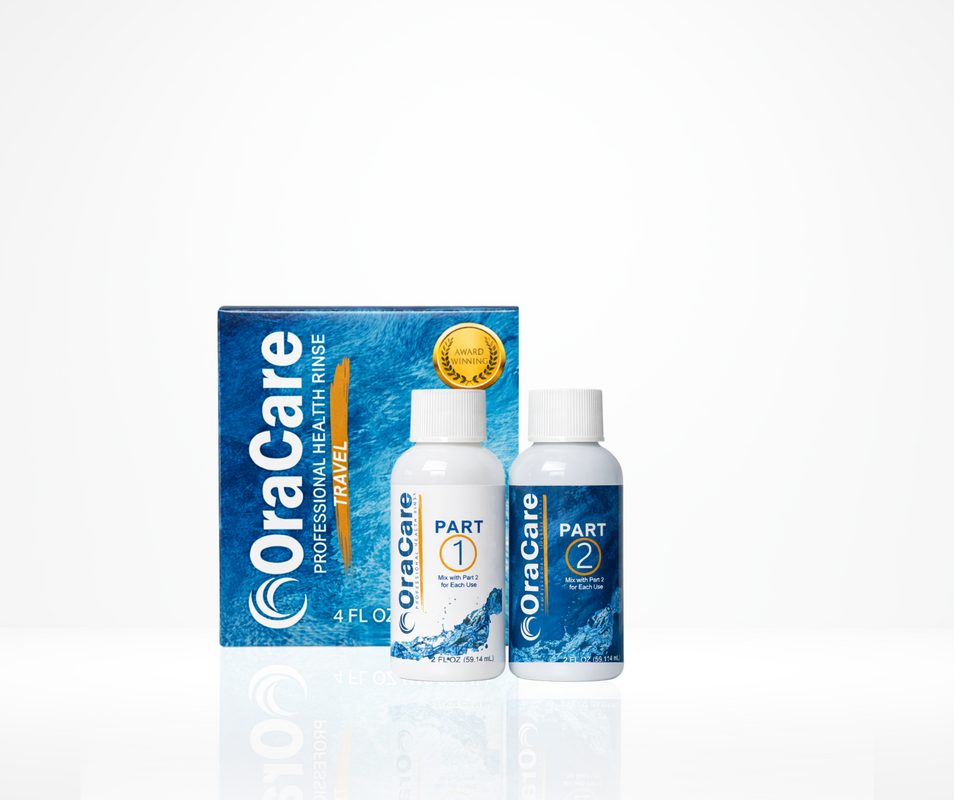
OraCare Health Rinse
Activated two-part rinse that breaks down biofilm and neutralizes the sulfur compounds behind bad breath.
About Dr. Sona Saeidi, DMD
Cofounder of Soothing Dental in San Francisco's Financial District. DMD magna cum laude, Boston University Goldman School of Dental Medicine. Practicing in California since 2011 (license #60566). Member of the American Dental Association, California Dental Association, and San Francisco Dental Society.
This page is educational and is not a diagnosis. Products sold through Soothing Dental may require a prescription; eligibility is confirmed through a brief telehealth screen at checkout.