

Blog › Dry mouth
85+ Medications That Cause Dry Mouth — and What to Do About It
Over 85 common medications list dry mouth as a side effect — and you usually cannot stop taking them. Two questions and we'll build the routine that protects your teeth anyway.

I review every prescription order myself — same judgement I'd use with you in the chair.
Dr. Azar Sona Saeidi, DMDPracticing dentist · Soothing Dental, San Francisco
Build your dry mouth routine
Two questions · about 20 seconds
What's behind your dry mouth?
Tap all that apply — the cause changes which product actually helps
Uses Dr. Saeidi's own decision rules
What matters most to you?
Tap any that apply
Opens store.soothing.dental — our online store, same practice. A licensed dentist reviews the order before it ships.
Call (415) 630-6534 or book a consultation.
The short version
- Antidepressants, blood pressure drugs, antihistamines and diuretics are the biggest offenders.
- Do not stop your medication — manage the mouth instead.
- Ask about timing: sometimes dosing schedules can be shifted.
- Protection matters more than comfort when the cause is not going away.
If your mouth feels persistently dry and you take prescription or over-the-counter medications, your medication list is almost certainly the culprit. More than 400 drugs list xerostomia as a side effect, and the average adult over 50 takes at least three of them. The math is simple: dry mouth is one of the most common medication side effects in the United States, and it is responsible for a huge share of the cavities, gum disease, and oral discomfort I see in my San Francisco practice.
This is a complete dentist's reference of medications that cause dry mouth — organized by category, with both generic and brand names. We will also walk through what to do if you discover your medication is on this list, because changing prescriptions is sometimes possible and sometimes not, and the dental protection plan looks different depending on which of those is true.
How Medications Cause Dry Mouth
Most drugs that dry the mouth do so through anticholinergic effects. The salivary glands rely on acetylcholine signaling to produce saliva, and many medications block those receptors as part of their primary or side mechanism. The result is reduced saliva flow, thicker saliva, and the burning, sticky sensation patients describe. Anticholinergic load is cumulative, and tools like the Anticholinergic Cognitive Burden Scale help clinicians estimate just how much dryness a patient's medication list is producing.
Other drugs cause dry mouth indirectly. Diuretics increase urination, lowering total body water. Decongestants constrict blood vessels in the salivary glands. Some chemotherapy and radiation regimens damage the gland tissue itself. Radiation therapy to the head and neck region is particularly devastating because the damage is often permanent — the gland tissue is replaced with scar tissue that cannot regenerate. The end result is the same: less saliva on your teeth, gums, and tongue, and an immediate increase in cavity and gum disease risk.
The risk multiplies when patients take multiple drying medications together. Two anticholinergic drugs together produce far more dryness than either alone, which is why polypharmacy patients suffer most. The American Geriatrics Society's Beers Criteria specifically flags many of these drugs as inappropriate for older adults — partly because of their drying effects on the mouth and partly because they affect cognition and balance.
Onset matters too. Some patients notice dry mouth within days of starting a new medication; others develop it gradually over months. If you have started a new drug recently and your mouth feels different, that is not in your head — it is a recognized side effect, and it is worth flagging to your doctor.
If you take something from two of these groups, assume dry mouth is chronic and plan for it.
The Complete List: 85+ Medications That Cause Dry Mouth
Below is a category-by-category reference. Brand names are listed alongside generics where common.
Antidepressants and Anti-Anxiety Medications
- Amitriptyline (Elavil)
- Nortriptyline (Pamelor)
- Imipramine (Tofranil)
- Doxepin (Sinequan)
- Sertraline (Zoloft)
- Fluoxetine (Prozac)
- Paroxetine (Paxil)
- Citalopram (Celexa)
- Escitalopram (Lexapro)
- Venlafaxine (Effexor)
- Duloxetine (Cymbalta)
- Bupropion (Wellbutrin)
- Mirtazapine (Remeron)
- Trazodone (Desyrel)
- Alprazolam (Xanax)
- Lorazepam (Ativan)
- Clonazepam (Klonopin)
- Buspirone (Buspar)
Antihistamines (Allergy and Cold Medications)
- Diphenhydramine (Benadryl)
- Loratadine (Claritin)
- Cetirizine (Zyrtec)
- Fexofenadine (Allegra)
- Chlorpheniramine (Chlor-Trimeton)
- Hydroxyzine (Atarax, Vistaril)
- Promethazine (Phenergan)
- Meclizine (Antivert)
Decongestants
- Pseudoephedrine (Sudafed)
- Phenylephrine (Sudafed PE)
Blood Pressure Medications (Antihypertensives)
- Hydrochlorothiazide (HCTZ)
- Furosemide (Lasix)
- Chlorthalidone (Hygroton)
- Spironolactone (Aldactone)
- Lisinopril (Zestril, Prinivil)
- Enalapril (Vasotec)
- Losartan (Cozaar)
- Valsartan (Diovan)
- Atenolol (Tenormin)
- Metoprolol (Lopressor, Toprol XL)
- Propranolol (Inderal)
- Carvedilol (Coreg)
- Amlodipine (Norvasc)
- Diltiazem (Cardizem)
- Clonidine (Catapres)
- Methyldopa (Aldomet)
Anticholinergics for Bladder and GI Issues
- Oxybutynin (Ditropan)
- Tolterodine (Detrol)
- Solifenacin (Vesicare)
- Darifenacin (Enablex)
- Hyoscyamine (Levsin)
- Dicyclomine (Bentyl)
- Atropine
- Scopolamine
Pain Medications and Opioids
- Hydrocodone (Vicodin, Norco)
- Oxycodone (OxyContin, Percocet)
- Codeine
- Tramadol (Ultram)
- Morphine (MS Contin)
- Fentanyl (Duragesic)
- Methadone
- Buprenorphine (Suboxone)
Muscle Relaxants
- Cyclobenzaprine (Flexeril)
- Baclofen (Lioresal)
- Tizanidine (Zanaflex)
- Methocarbamol (Robaxin)
Sleep Aids
- Zolpidem (Ambien)
- Eszopiclone (Lunesta)
- Zaleplon (Sonata)
- Doxylamine (Unisom)
Parkinson's Disease Medications
- Levodopa-carbidopa (Sinemet)
- Benztropine (Cogentin)
- Trihexyphenidyl (Artane)
- Pramipexole (Mirapex)
Antipsychotics
- Olanzapine (Zyprexa)
- Quetiapine (Seroquel)
- Risperidone (Risperdal)
- Aripiprazole (Abilify)
- Haloperidol (Haldol)
- Clozapine (Clozaril)
ADHD Medications
- Methylphenidate (Ritalin, Concerta)
- Amphetamine salts (Adderall)
- Lisdexamfetamine (Vyvanse)
- Atomoxetine (Strattera)
Asthma and COPD Inhalers
- Ipratropium (Atrovent)
- Tiotropium (Spiriva)
- Albuterol (ProAir, Ventolin)
- Fluticasone (Flovent, Advair component)
Chemotherapy and Cancer Treatment
- 5-fluorouracil (5-FU)
- Methotrexate
- Cisplatin
- Doxorubicin
- Cyclophosphamide
- Tamoxifen
Other Common Offenders
- Isotretinoin (Accutane) for severe acne
- Omeprazole (Prilosec) and other proton pump inhibitors at high doses
- Statins like atorvastatin (Lipitor) and rosuvastatin (Crestor)
- Metformin for diabetes
- Cannabis (THC) and cannabinoid medications
That is a full 85+ medications that cause dry mouth, and it is not exhaustive. If you take a prescription drug not on this list and have dry mouth symptoms, search the FDA label for "xerostomia" or "dry mouth" — chances are it is mentioned somewhere.
Not sure which one you need? Two questions, about twenty seconds, and Dr. Saeidi's own decision rules point you to one — with the reason.
Find my matchWhat to Do If Your Medication Is on This List
The first step is to talk to your prescriber. Some medications have alternatives with less drying effect. SSRIs like escitalopram are often less drying than tricyclics. Newer ARBs are sometimes better tolerated than older diuretics. Second-generation antihistamines like fexofenadine are usually less drying than first-generation diphenhydramine. Your doctor can help weigh the trade-offs, and a small change in dose or timing sometimes makes a big difference in symptoms.
If switching is not an option — and often it is not, especially for blood pressure, antidepressant, or chemotherapy regimens — your strategy shifts toward protecting your teeth and managing symptoms. That is where dental products take over.
It is worth bringing a complete medication list to your dentist, including over-the-counter drugs and supplements. Many patients do not realize that a daily Benadryl for sleep, an Imodium for travel, or a Sudafed for allergies can compound the drying effect of their prescription medications. A full inventory lets us see the cumulative anticholinergic load, not just the headline prescriptions.
The Product Plan for Medication-Induced Dry Mouth
For patients on chronic drying medications, I prescribe a three-tier defense.
Tier one is symptom relief. Aquoral is the spray I recommend most often. Its long-lasting coating gets you through meetings, sleep, and meals without the constant rehydration cycle of cheaper products. Two to four sprays a day is typical for moderate dryness; five to seven for severe.
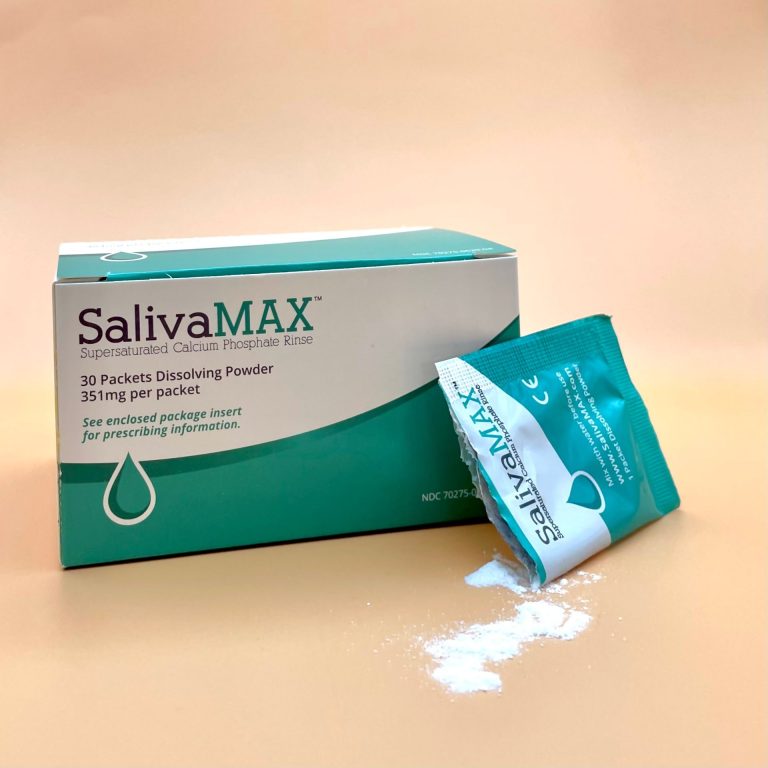
Tier two is mineral protection. SalivaMAX twice daily delivers the calcium and phosphate ions your saliva can no longer provide. This is the single most important step in preventing the cavity surge that follows medication-induced dry mouth. If you take only one product home from this article, make it this one.
Tier three is high-strength fluoride. A 5000 ppm prescription fluoride toothpaste at night, brushed and not rinsed, dramatically reduces cavity risk. Pair it with regular dental cleanings every three to four months instead of the standard six.
Lifestyle Adjustments That Stack on Top
Beyond products, the small daily habits matter. Sip water continuously rather than in large gulps. Run a humidifier at night. Avoid alcohol-containing mouthwash, which exacerbates dryness. Chew xylitol gum after meals to stimulate saliva and neutralize acid. Limit caffeine and alcohol, both of which are diuretics. Cut sticky carbohydrates from your diet, as they cling to teeth long after meals when there is no saliva to wash them away.
If your dry mouth is severe and OTC products are not enough, your dentist can prescribe pilocarpine or cevimeline, two medications that directly stimulate saliva flow. They are not first-line for medication-induced dry mouth, but they are an option worth knowing about.
Not sure which one you need? Two questions, about twenty seconds, and Dr. Saeidi's own decision rules point you to one — with the reason.
Find my matchThe Bigger Picture
The list above is long, but the takeaway is simple: medications that cause dry mouth are everywhere, and the dental consequences are predictable, expensive, and largely preventable. If your medication list looks anything like the categories above, you do not need to live with cavities and discomfort. The right combination of medication review with your prescriber, daily product use, and more frequent dental visits will keep your mouth comfortable and your teeth intact.
For the broader strategy — including the cause analysis, lifestyle protocol, and prescription saliva stimulants — read our complete dentist's guide to dry mouth treatment.
If you are not sure which products fit your situation, bring your medication list to your next dental visit. We will walk through it together, identify the highest-risk drugs, and build a protection plan that makes sense for your specific case. Dry mouth from medication is one of the most fixable problems in dentistry — when patients know what to do.
About Dr. Sona Saeidi, DMD
Cofounder of Soothing Dental in San Francisco's Financial District. DMD magna cum laude, Boston University Goldman School of Dental Medicine. Practicing in California since 2011 (license #60566). Member of the American Dental Association, California Dental Association, and San Francisco Dental Society.

This page is educational and is not a diagnosis. Products sold through Soothing Dental may require a prescription; eligibility is confirmed through a brief telehealth screen at checkout.